






By Angela Tolosa, Deputy Director for Constituent Relations, Reentry
On July 10, the Federal Communications Commission (FCC) held a daylong workshop in Washington, D.C., to explore reforms on prison telephone calls. The first of its kind for the FCC, the workshop brought together more than 100 family members of prisoners, advocates, and state regulators from across the country while thousands more participated online.
“I believe that we must do everything we can to ensure a reasonable mechanism for families to stay in touch with their loved ones during this separation,” said FCC Acting Chairperson Mignon Clyburn. “Ensuring that the costs of prison payphone calls are reasonable will enable meaningful progress toward that goal.” Ms. Clyburn is leading the commission’s effort to lower interstate long distance rates from prisons.
The issue first came to the FCC’s attention in 2003 when a Washington, D.C.-area woman, Martha Wright, said she was paying about $200 a month for one 15-minute phone call a week with her grandson, who was in prison. Civil rights groups filed a class-action suit on her behalf; the courts dismissed the case and Wright was referred to the FCC.
For more than a decade, the FCC has received complaints from family members of prisoners about the high cost of telephone calls to loved ones in prison. According to the NY Times, prison calls are so expensive because inmates must place them through independent companies that pay the state corrections departments a “commission,” essentially a legal kickback.
“In some instances, the price of a single phone call from prison eclipses the cost of an average basic monthly telephone bill,” explained Ms. Clyburn. “In 42 states where there have been limited or no reforms, connection fees can run as high as $4 per call, on top of charges of 89 cents per minute.”
These high rates often prohibit low-income families from having regular contact with incarcerated loved ones. Maintaining relationships between prisoners and family members, especially their children and spouses, promotes rehabilitation and reduces recidivism. And given that 2.7 million children in the United States have at least one parent in prison, making these calls affordable is imperative to keep families together and to help individuals successfully reintegrate into society.
“With 700,000 individuals released every year from these institutions, it is crucial that we do whatever we can to strengthen family ties before these individuals return home,” Ms. Clyburn stressed in a recent statement.
Congressman Bobby Rush (D-IL) and Congresswoman Eleanor Holmes Norton (D-DC) also attended the workshop and spoke about the implications of high prison telephone rates for their constituents. Congresswoman Norton announced, “To put somebody away for many years with no way to communicate with the ones who care about him or her is to assure a very difficult time for what is already a very difficult effort—to reintegrate into society.”

Our plan—developed with the National Resource Center on Children & Families of the Incarcerated at Rutgers University-Camden and…
Read More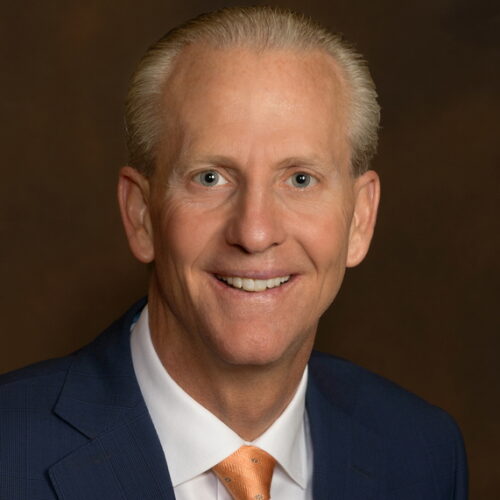
The CSG Justice Center Advisory Board establishes the policy and project priorities of the organization. The board features…
Read More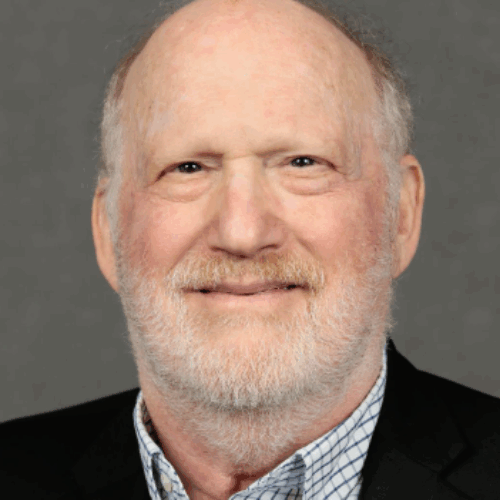
"AOT is a complex community intervention that can be effective or not depending on how it is implemented.…
Read More
First-of-its-Kind Plan for States to Support Children and Families with Incarcerated Parents
Our plan—developed with the National Resource Center on Children & Families of the Incarcerated at Rutgers University-Camden and the Institute for Municipal and Regional Policy at UConn—provides evidence-based, trauma-informed strategies for corrections leaders and policymakers to strengthen parent-child connections and reduce recidivism.
Read More
Breaking the Cycle of Homelessness and Incarceration: Q&A with New CSG Justice Center Advisory Board Member Wayne Niederhauser
The CSG Justice Center Advisory Board establishes the policy and project priorities of the organization. The board features a cross-section of leaders who shape criminal justice policy in various parts of the country.
Read More
Involuntary Treatment for Patients in the Justice System: Q&A with Dr. Marvin Swartz
"AOT is a complex community intervention that can be effective or not depending on how it is implemented. The question about its effectiveness is better phrased as: for whom and under what conditions can AOT be effective?"
Read More Reentry 2030 States Explore Day 1 Employment Readiness After Incarceration
8 states gathered to discuss workforce solutions for formerly incarcerated people.
Read More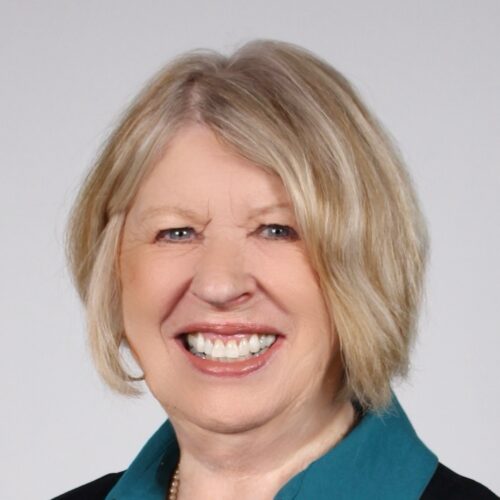 Local Criminal Justice System Innovations in Mental Health Services: Q&A with CSG Justice Center Advisory Board Member Dr. Doreen Williams
"It is the humane, person-centered approach that supports and stabilizes individuals, their families, and their communities."
Read More 2025 Nominations Now Open for Judges and Psychiatrists Improving Lives and Behavioral Health
The Judge Stephen S. Goss Memorial Award for Leadership has expanded to include Lifetime Achievement Awards and, in 2024, the first-ever Team Collaboration Award.
Read More