





On February 19, 2014, the Federal Bureau of Prisons (BOP) lowered the rate that individuals incarcerated in BOP facilities pay for their direct long distance calls. This change is in accordance with the Federal Communications Commission (FCC) ruling in August 2013, which set guidelines to reduce the cost of interstate phone calls made by individuals incarcerated in prisons.
Phone contact allows individuals to maintain their relationships with their children, family, and friends. Studies show that these relationships are important to an individual’s reentry success, and also have positive implications for the communities to which they return and the children of incarcerated parents. Lower phone rates may help these children stay in contact with their parents and reduce the risk of these challenges. To view the new rate, click here. To learn more about the FCC ruling, click here.

Corrections leaders balance the complex priorities of maintaining public safety, operating secure facilities, providing needed care and services…
Read More
The Council of State Governments (CSG) Justice Center has launched the Collaborating for Youth and Public Safety Initiative…
Read More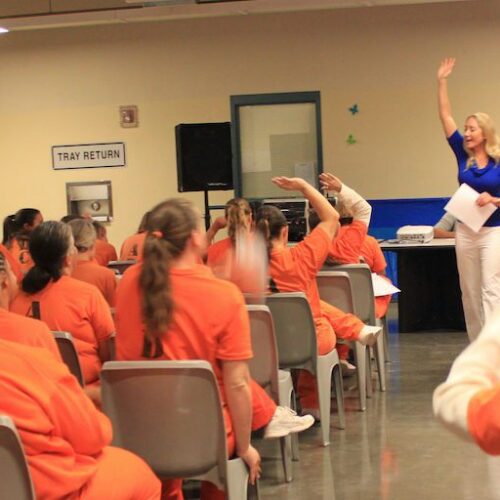
Every day, public safety depends on thousands of state and local leaders who work across agencies,…
Read More
Apply Now for Resident Analyst Program to Increase Data Analysis Capacity at Departments of Corrections
Corrections leaders balance the complex priorities of maintaining public safety, operating secure facilities, providing needed care and services to the incarcerated population, and coordinating with other agencies.
Read More
Six States Commit to Improving Statewide Strategies to Address Youth Crime, Violence and Behavioral Health
The Council of State Governments (CSG) Justice Center has launched the Collaborating for Youth and Public Safety Initiative (CYPSI) in partnership with six states: California, New Mexico, New York, Ohio, Oklahoma, and Rhode Island. The initiative will help states develop, fund, and effectively implement a research-based service continuum to improve public safety and behavioral health, education, and other outcomes for youth.
Read More
Amid Federal Funding Cuts, Here’s How the CSG Justice Center Can Help You Advance Safety and Justice
Every day, public safety depends on thousands of state and…
Read More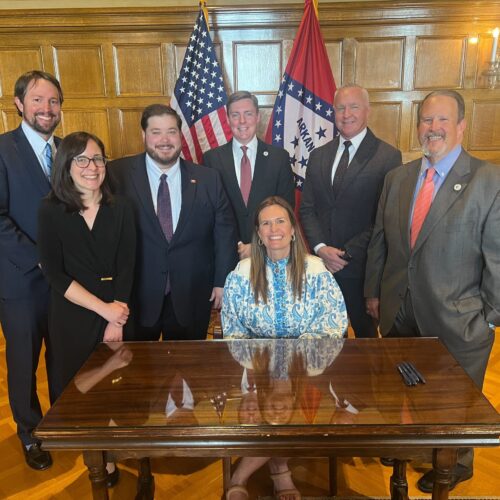 Explainer: How a New Law in Arkansas Tackles Crime, Recidivism, and Community Supervision Challenges
In April 2025, Arkansas Governor Sarah Huckabee Sanders signed a package of bipartisan criminal justice legislation into law, which is designed to increase public safety and improve community supervision. The legislation passed nearly unanimously.
Read More Bipartisan Group of 88 Lawmakers Push for Continued Funding for Reentry and Recidivism Programs
A bipartisan group of 88 lawmakers, led by Representatives Carol Miller (R-WV) and Danny Davis (D-IL), wrote a letter calling for continued funding for the Second Chance Act in the Fiscal Year 2026 Commerce, Justice, Science, and Related Agencies appropriations bill.
Read More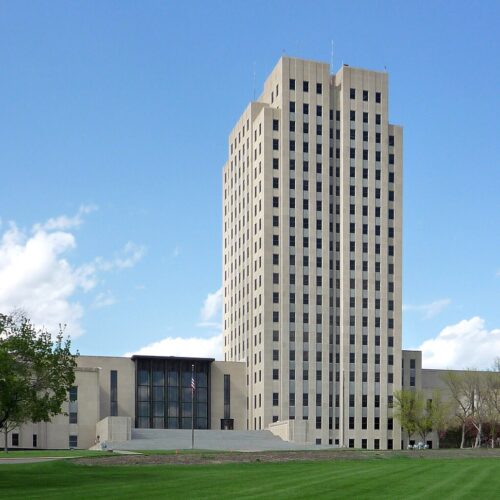 Explainer: North Dakota’s New Youth Fitness-to-Proceed Law
Last month, North Dakota Governor Kelly Armstrong signed a landmark bill to change how courts handle cases involving youth with mental health concerns or who lack the developmental maturity to understand the court process.
Read More