





Obama Supports ‘Second Chances’ for People Convicted of Nonviolent Offenses
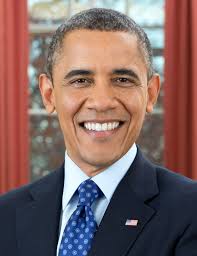 After commuting the sentences of 46 people convicted of nonviolent drug crimes earlier in the week, President Barack Obama said in a major speech on July 14 at the NAACP that it was time to reduce sentences for people convicted of nonviolent crimes generally and to invest in helping formerly incarcerated people reenter society.
“Let’s invest in innovative new approaches to link former prisoners with employers and help them stay on track,” the president said. “Let’s follow the growing number of our states and cities and private companies who have decided to ‘Ban the Box’ on job applications, so that former prisoners who have done their time and are now trying to get straight with society have a decent shot in a job interview.”
President Obama said it was fundamentally important to prepare people returning to their communities after incarceration “to grab that second chance.”
On July 16, President Obama continued his focus on criminal justice by visiting the El Reno Federal Correctional Institution in Oklahoma, becoming the first sitting president to ever tour a U.S. prison. As part of his visit, he spoke to six people incarcerated at El Reno for nonviolent drug offenses.
“When they describe their youth and their childhood, these are young people who made mistakes that aren’t that different from the mistakes I made and the mistakes that a lot of you guys made,” the president told reporters. “The difference is, they did not have the kind of support structures, the second chances, the resources that would allow them to survive those mistakes.”
The president’s comments come on the heels of bipartisan legislation introduced by U.S. Senators Rob Portman (R-OH) and Patrick Leahy (D-VT) in June. The Second Chance Reauthorization Act of 2015 would provide grants for education and career preparation, employment services, substance use and mental health treatment, housing, and other resources that people returning to the community from incarceration frequently need.
The CSG Justice Center Advisory Board establishes the policy and project priorities of the organization. The board features…
Read More
"AOT is a complex community intervention that can be effective or not depending on how it is implemented.…
Read More
8 states gathered to discuss workforce solutions for formerly incarcerated people.
Read More
Breaking the Cycle of Homelessness and Incarceration: Q&A with New CSG Justice Center Advisory Board Member Wayne Niederhauser
The CSG Justice Center Advisory Board establishes the policy and project priorities…
Read More
Involuntary Treatment for Patients in the Justice System: Q&A with Dr. Marvin Swartz
"AOT is a complex community intervention that can be effective or not…
Read More
Reentry 2030 States Explore Day 1 Employment Readiness After Incarceration
8 states gathered to discuss workforce solutions for formerly incarcerated people.
Read More Local Criminal Justice System Innovations in Mental Health Services: Q&A with CSG Justice Center Advisory Board Member Dr. Doreen Williams
"It is the humane, person-centered approach that supports and stabilizes individuals, their…
Read More 2025 Nominations Now Open for Judges and Psychiatrists Improving Lives and Behavioral Health
The Judge Stephen S. Goss Memorial Award for Leadership has expanded to…
Read More Senate Passes Second Chance Reauthorization Act of 2025
On October 9, 2025, the Senate passed the Second Chance Reauthorization Act…
Read More