








Medication-Assisted Treatment: Federal Investment and Local Implementation
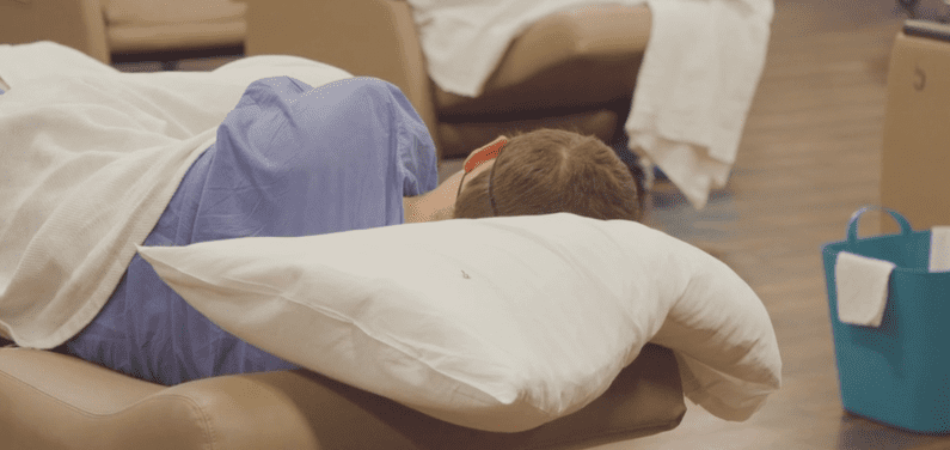
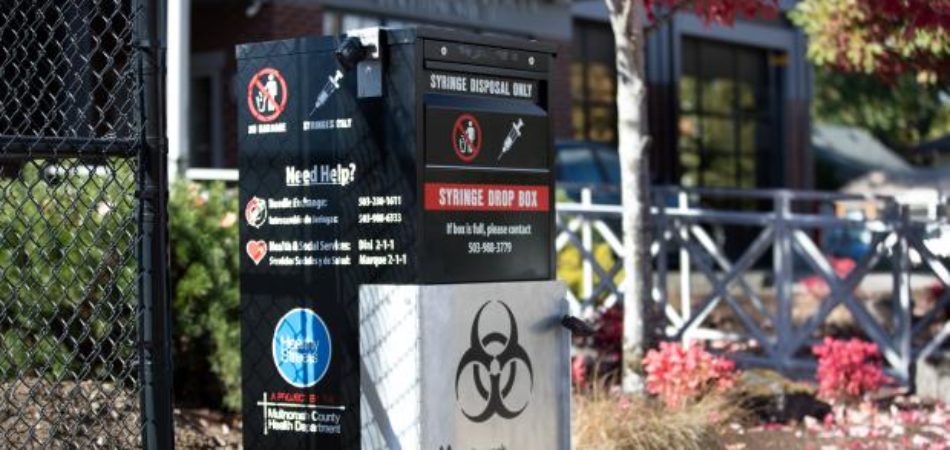
The Substance Abuse and Mental Health Services Administration (SAMHSA) recently awarded $53 million in funding to 44 states, four tribes, and Washington, DC, to address the opioid epidemic, including $11 million for 11 states to expand Medication Assisted Treatment (MAT), an evidence-based treatment option used in combination with counseling and social support. MAT has been shown to ease withdrawal symptoms and decrease the risk of relapse and overdose. In many states and local jurisdictions, public health and law enforcement officials are partnering to implement MAT programs to treat justice-involved individuals battling addiction.
To highlight work happening in correctional facilities and the community, and to facilitate peer learning, the CSG Justice Center hosted a webinar in July featuring jurisdictions using MAT in criminal justice settings.
In Texas, the state Commission on Jail Standards and Department of State Health Services (DHS) partner to implement comprehensive care coordination and education for women who are pregnant and involved in the justice system, 400 of whom are detained in Texas county jails each month. To address opioid addiction in this population, county jails provide referrals to DHS services and DHS conducts outreach to the women while they’re incarcerated, providing Methadone, counseling, and education services where needed.
Washington County, Maryland, also developed a collaborative approach between the Health Department, the local correctional facility, Conmed Health Care Management, Inc., and the Alcohol and Drug Abuse Administration. The county’s MAT program builds on existing treatment services and includes risk and needs assessments, trauma-informed parenting guidance, and care coordination. Through this partnership, behavioral health clinicians utilize telemedicine and site visits in detention centers to issue Vivitrol MAT when appropriate.
To learn more about MAT, please see:
- Prison/Jail Medication Assisted Treatment Manual from Residential Substance Abuse Treatment (RSAT) Training and Technical Assistance
- The Office of National Drug Control Policy’s webinar on MAT Programs for Justice Involved Populations
8 states gathered to discuss workforce solutions for formerly incarcerated people.
Read More
"It is the humane, person-centered approach that supports and stabilizes individuals, their families, and their communities."
Read More
The Judge Stephen S. Goss Memorial Award for Leadership has expanded to include Lifetime Achievement Awards and, in…
Read More
Reentry 2030 States Explore Day 1 Employment Readiness After Incarceration
8 states gathered to discuss workforce solutions for formerly incarcerated people.
Read More
Local Criminal Justice System Innovations in Mental Health Services: Q&A with CSG Justice Center Advisory Board Member Dr. Doreen Williams
"It is the humane, person-centered approach that supports and stabilizes individuals, their…
Read More
2025 Nominations Now Open for Judges and Psychiatrists Improving Lives and Behavioral Health
The Judge Stephen S. Goss Memorial Award for Leadership has expanded to…
Read More Senate Passes Second Chance Reauthorization Act of 2025
On October 9, 2025, the Senate passed the Second Chance Reauthorization Act…
Read More CSG Justice Center Launches First-of-Its-Kind Statewide Crisis Intervention Teams (CIT) Technical Assistance Center
The CSG Justice Center has partnered with the Pennsylvania Commission on Crime…
Read More