








Allegheny County Officials, Employers Join Push to Eliminate Labels for People with Criminal Records
 In Allegheny County, PA, the state’s Workforce Investment Board estimates that there will be more than 8,000 unfilled public and private sector jobs every year for the next 10 years, the effects of a workforce shortage that David J. Malone, chair of the Board, said has reached “crisis stage.”
“No region in America has a problem as acute as Southwestern Pennsylvania’s, and I believe we’re at a crossroads now,” said Malone, who is also president and CEO of Pittsburgh-based Gateway Financial. “But I believe that if all of us become more vocal that there are solutions … then we have a chance to make a dent on this issue.”
One of those solutions involves the approximately 20,000 people exiting Pennsylvania correctional facilities every year who are looking to reintegrate into society and reenter the workforce, said Malone last month at a business leaders’ summit hosted by the Allegheny County Anchored Reentry Consortium with support from U.S. Attorney David Hickton. The event brought together 200 business leaders, elected officials, and nonprofit leaders to discuss hiring people with criminal records.
“These people need to be viewed as assets, not liabilities,” Malone said.
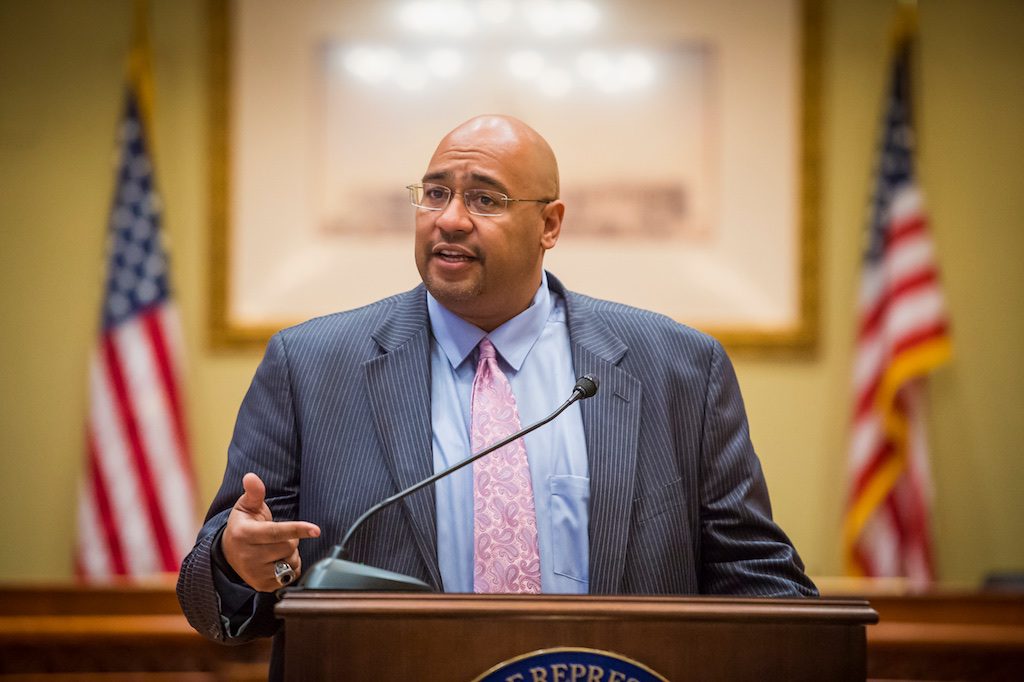
Often times, one word stands in the way of connecting people who need jobs with the jobs that need to be filled, according to Pennsylvania Department of Corrections Secretary and member of The Council of State Governments Justice Center Board John Wetzel (pictured above).
“Think of the term ‘offender,’” said Wetzel during the summit. “We tell someone coming out of the back end of our system, ‘We want you to do well. We want you to work,’ but then we put a nametag on their chest that says ‘offender.’ That’s not setting folks up for success.”
While the financial pressure to bolster the workforce is felt by business owners in Allegheny County, Wetzel said there is also a “moral imperative” to provide opportunities for people returning to the community after incarceration.
“We can’t have this conversation about employing folks coming out of our facilities without having a values discussion,” Wetzel said. “Just because someone is incarcerated does not diminish their humanity. And if we believe that … then we have an obligation to practice what we preach and give folks a shot.”
On June 26, the CSG Justice Center convened state leaders in workforce development, education, and corrections from 7…
Read More
While corrections agencies across the country collect vast amounts of data and make significant investments in…
Read More
19 states were recently granted permission by CMS to reimburse critical reentry services with Medicaid funding for up…
Read More
Breaking Down Barriers: Reentry 2030 States Meet to Tackle Employment-Related Collateral Consequences
On June 26, the CSG Justice Center convened state leaders in workforce…
Read More
A “Once in a Generation Opportunity” to Improve Reentry for Nearly 2 Million People
19 states were recently granted permission by CMS to reimburse critical reentry…
Read More
 First-of-its-Kind Plan for States to Support Children and Families with Incarcerated Parents
Our plan—developed with the National Resource Center on Children & Families of…
Read More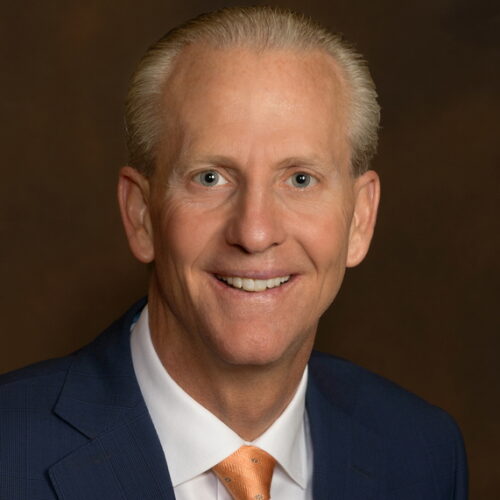 Breaking the Cycle of Homelessness and Incarceration: Q&A with New CSG Justice Center Advisory Board Member Wayne Niederhauser
The CSG Justice Center Advisory Board establishes the policy and project priorities…
Read More