









Rethinking Juvenile Justice and Schools
How Probation Can Do More Harm than Good When It Comes to Keeping Youth in School and on Track
Part 2 of 2
Policy Recommendations
Jurisdictions should examine the current roles and responsibilities of their juvenile probation and education systems to identify opportunities to adopt more research-based, developmentally appropriate approaches for improving school attendance and performance for youth under system supervision.
Here are five concrete policy, practice, and funding strategies for court and probation agencies to consider.
1. Revamp Supervision Conditions
Eliminate or revamp standardized, education-related conditions of supervision so such conditions are generally imposed only if and when school issues are a direct cause of individual youth’s delinquent behavior.
2. Tailor Interventions
Reduce or eliminate the time that probation officers spend tracking down school records and making school visits for all youth on their caseloads unless school attendance is directly related to the actual causes of individual youth’s delinquent behavior. In such cases, probation officers should partner with schools, youth, families, and community-based organizations to identify and connect youth with programs and services that address the individualized reasons underlying their school attendance and performance challenges.
3. Adjust Operations
Maintain operations during nontraditional hours to ensure that youth don’t have to miss school (and families don’t have to miss work) for court hearings and probation appointments.
4. Eliminate School Contacts
Eliminate probation contacts while youth are at school to avoid youth feeling stigmatized. If such appointments are absolutely necessary, officers should partner with schools to make every effort to keep such meetings confidential.
5. Use Incentives
Employ a formal system of incentives and graduated responses focused on concrete educational goals as the most effective way to promote school progress and hold youth accountable rather than sanctions, such as detention, that have proven costly and ineffective.

You might also be interested in

Breaking Down Barriers: Reentry 2030 States Meet to Tackle Employment-Related Collateral Consequences
On June 26, the CSG Justice Center convened state leaders in workforce development, education, and corrections from 7…
Read More
How Embedded Data Analysts Are Transforming State Corrections Systems
While corrections agencies across the country collect vast amounts of data and make significant investments in…
Read More
A “Once in a Generation Opportunity” to Improve Reentry for Nearly 2 Million People
19 states were recently granted permission by CMS to reimburse critical reentry services with Medicaid funding for up…
Read More
Breaking Down Barriers: Reentry 2030 States Meet to Tackle Employment-Related Collateral Consequences
On June 26, the CSG Justice Center convened state leaders in workforce development, education, and corrections from 7 Reentry 2030 states for the second session of the Reentry 2030 Workforce Development Peer Learning Cohort.
Read More
How Embedded Data Analysts Are Transforming State Corrections Systems
While corrections agencies across the country collect vast amounts of…
Read More
A “Once in a Generation Opportunity” to Improve Reentry for Nearly 2 Million People
19 states were recently granted permission by CMS to reimburse critical reentry services with Medicaid funding for up to 5 years.
Read More Methodology: Estimating the Opportunity of the 1115 Medicaid Reentry Waivers
Purpose of the Analysis This analysis, which accompanies our article,…
Read More First-of-its-Kind Plan for States to Support Children and Families with Incarcerated Parents
Our plan—developed with the National Resource Center on Children & Families of the Incarcerated at Rutgers University-Camden and the Institute for Municipal and Regional Policy at UConn—provides evidence-based, trauma-informed strategies for corrections leaders and policymakers to strengthen parent-child connections and reduce recidivism.
Read More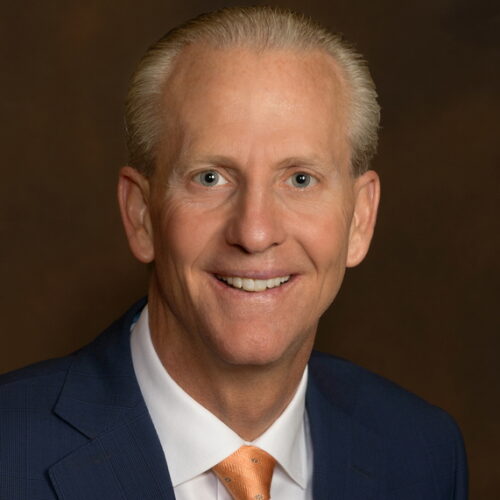 Breaking the Cycle of Homelessness and Incarceration: Q&A with New CSG Justice Center Advisory Board Member Wayne Niederhauser
The CSG Justice Center Advisory Board establishes the policy and project priorities of the organization. The board features a cross-section of leaders who shape criminal justice policy in various parts of the country.
Read More