








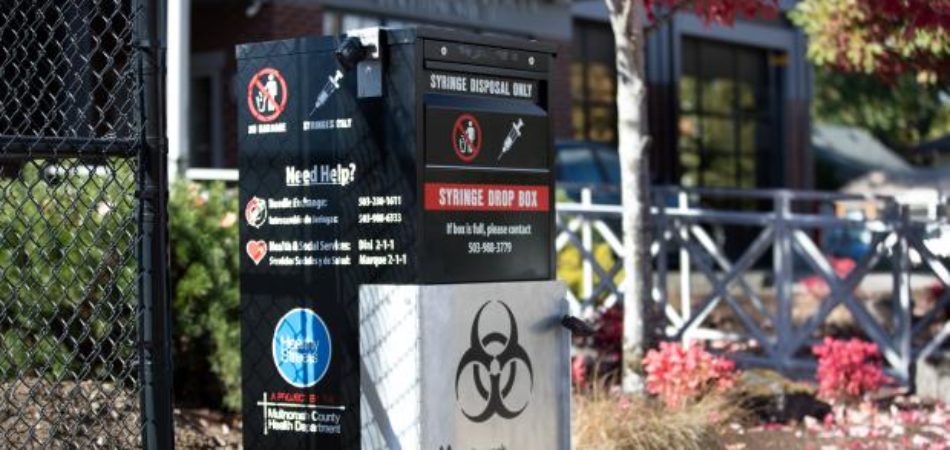

Implications of The Affordable Care Act on People Involved with the Criminal Justice System
Individuals involved with the criminal justice system face high rates of communicable and chronic diseases, mental illness, and substance use disorders. However, criminal justice practitioners often have difficulty connecting this largely low-income and uninsured population to the health services they need. The Patient Protection and Affordable Care Act (ACA), signed into law in March 2010, offers new opportunities for these individuals to obtain health care services previously unavailable to them. Produced by The Council of State Governments Justice Center, this brief provides an overview of the implications of the ACA for adults involved with the criminal justice system, as well as information about how professionals in the criminal justice field can help this population access health care services.

New Mexico launched a pilot program in 2024 to divert people with mental health needs and misdemeanor charges…
Read More
As the Stepping Up initiative marks its 10th year, America’s justice and behavioral health systems are facing a…
Read More
On June 26, the CSG Justice Center convened state leaders in workforce development, education, and corrections from 7…
Read More
From Courtroom to Care: 5 Key Strategies Behind New Mexico’s Competency Diversion Pilot
New Mexico launched a pilot program in 2024 to divert people with mental health needs and misdemeanor charges out of the justice system and into care.
Read More
The 10-Year Impact—and Future—of Stepping Up: Facing the Behavioral Health Crisis in Jails and Communities with Real Solutions
As the Stepping Up initiative marks its 10th year, America’s justice and behavioral health systems are facing a shared crisis: how to meet the behavioral health needs of people cycling through jails.
Read More
Breaking Down Barriers: Reentry 2030 States Meet to Tackle Employment-Related Collateral Consequences
On June 26, the CSG Justice Center convened state leaders in workforce development, education, and corrections from 7 Reentry 2030 states for the second session of the Reentry 2030 Workforce Development Peer Learning Cohort.
Read More How Embedded Data Analysts Are Transforming State Corrections Systems
While corrections agencies across the country collect vast amounts of…
Read More A “Once in a Generation Opportunity” to Improve Reentry for Nearly 2 Million People
19 states were recently granted permission by CMS to reimburse critical reentry services with Medicaid funding for up to 5 years.
Read More First-of-its-Kind Plan for States to Support Children and Families with Incarcerated Parents
Our plan—developed with the National Resource Center on Children & Families of the Incarcerated at Rutgers University-Camden and the Institute for Municipal and Regional Policy at UConn—provides evidence-based, trauma-informed strategies for corrections leaders and policymakers to strengthen parent-child connections and reduce recidivism.
Read More