








Integrating Best Practices from Corrections and Workforce Systems to Match Jobseekers to Services
Hosted by the National Reentry Resource Center, with funding support from the U.S. Department of Justice’s Bureau of Justice Assistance
Of the more than 2.3 million people incarcerated in correctional facilities across the United States more than 90 percent will eventually return to their communities. Employment is a key aspect of successful reentry, but simply placing people in jobs is not the ultimate solution for preventing reoffending. An integrated approach is needed to ensure that criminal justice and workforce…
Hosted by the National Reentry Resource Center, with funding support from the U.S. Department of Justice’s Bureau of Justice Assistance
Of the more than 2.3 million people incarcerated in correctional facilities across the United States more than 90 percent will eventually return to their communities. Employment is a key aspect of successful reentry, but simply placing people in jobs is not the ultimate solution for preventing reoffending. An integrated approach is needed to ensure that criminal justice and workforce development systems utilize their available resources in ways that reduce recidivism and improve the employability of their shared population.
This webinar—based on lessons learned from the Integrated Reentry and Employment Strategies (IRES) pilot project underway in Milwaukee County, WI, and Palm Beach County, FL—raises key questions communities should consider to ensure the right people are connected to the right interventions at the right time in their reentry process. This webinar is especially useful for corrections, reentry, and workforce development administrators and practitioners.
Presenters will:
- Demonstrate the importance of engaging leadership and task forces in planning a coordinated multi-system reentry process;
- Provide information about conducting timely risk and needs assessments and job-readiness screenings;
- Discuss strategies for inventorying existing services and available treatment interventions (pre- and post-release); and
- Highlight examples of service referral processing and data collection.
Opening remarks:
- DeAnna Hoskins, Senior Policy Advisor, Bureau of Justice Assistance, U.S. Department of Justice
Panelists:
- Ray Woodruff, Employment Programs Manager, Wisconsin Department of Corrections
- Niel L. Thoreson, Regional Chief, Community Corrections Division, Wisconsin Department of Corrections
- Earl Buford, President and CEO, Employ Milwaukee
- Tamika Cooley, Program Manager, CareerSource Palm Beach County
Moderator:
- Erica Nelson, Policy Analyst, Reentry and Employment Program, The Council of State Governments Justice Center
Find other events

You might also be interested in
The Judge Stephen S. Goss Memorial Award for Leadership has expanded to include Lifetime Achievement Awards and, in…
Read More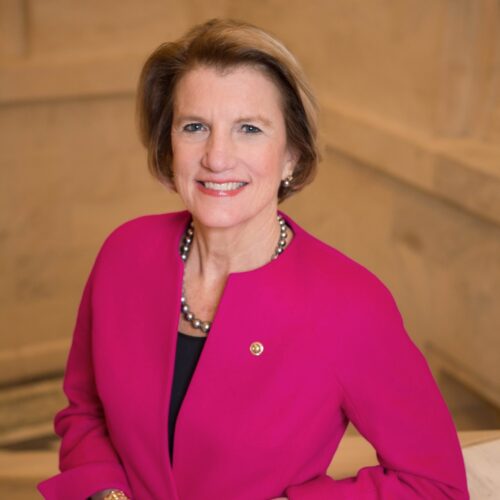
On October 9, 2025, the Senate passed the Second Chance Reauthorization Act of 2025 (S. 1843), which would…
Read More
The CSG Justice Center has partnered with the Pennsylvania Commission on Crime and Delinquency and CIT International to…
Read More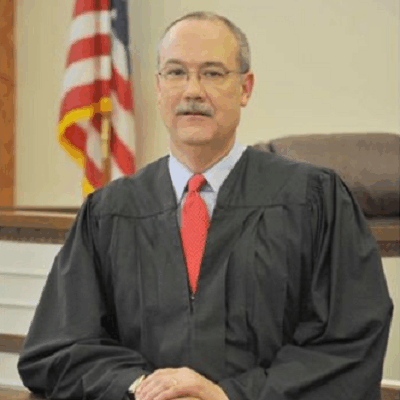 2025 Nominations Now Open for Judges and Psychiatrists Improving Lives and Behavioral Health
Read More
2025 Nominations Now Open for Judges and Psychiatrists Improving Lives and Behavioral Health
Read More
 CSG Justice Center Launches First-of-Its-Kind Statewide Crisis Intervention Teams (CIT) Technical Assistance Center
Read More
CSG Justice Center Launches First-of-Its-Kind Statewide Crisis Intervention Teams (CIT) Technical Assistance Center
Read More
 How Kentucky’s “Seth’s Law” Reduces Barriers to Care for Competency to Stand Trial and Guardianship
Read More
How Kentucky’s “Seth’s Law” Reduces Barriers to Care for Competency to Stand Trial and Guardianship
Read More