







Our Team
The CSG Justice Center has been at the forefront of supporting the expansion of first response with community responder programs, helping communities develop, sustain, and tailor them to their local needs. In 2021, the CSG Justice Center established the Community Responder Program portfolio of work within the Behavioral Health Division. The team that works on this portfolio is dedicated to uplifting and supporting the expansion of first response through the integration of community responder programs within first response systems. Our goal is to ensure that new and traditional first response systems work together to meet the needs of the communities they serve.
Our Work
We work toward community transformation by providing research, resources, and technical assistance for developing and integrating community responder programs within first response systems and crisis continuums of care.
Ad-hoc support
We collect resources and information, share them with individual programs that contact us, and post them in our Expanding First Response Toolkit.
Events and presentations
We host virtual and public events and present to audiences virtually and in person on critical topics related to the evolution of community responder programs, uplifting the voices and expertise of topical champions and specific community responder programs.
Expanding First Response Commission
We administer and facilitate the Expanding First Response Commission and work with members to develop recommendations that can be used across the country.
Intensive technical assistance
We provide intensive technical assistance to communities needing individual support while developing or scaling their community responder programs.
Learning communities
We create learning communities for programs nationwide and in specific communities, to address needs or topical issues such as youth response, college campus response, substance misuse and overdose, or specific geographic needs.
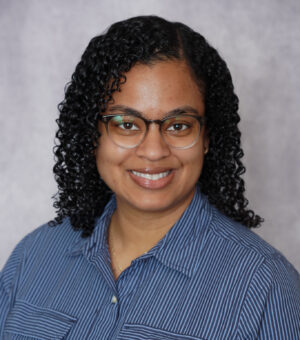
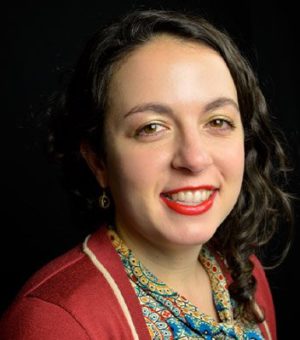
Key Staff
Current opportunities and events
For upcoming webinars or other virtual events, see Events page. To share current opportunities and resources for the Expanding First Response Toolkit, or to receive email updates on community responder program efforts, please email Mari Bayer at mbayer@csg.org.
Acknowledgments | Funders
This project is supported by the work of multiple funders and champions of community response. They include the following:
Alkermes
Through Alkermes Inspire Grants, organizations that serve people living with addiction, mental illness, or cancer are supported, with priority given to underrepresented or historically under-resourced communities.
Pew Charitable Trust
Pew Charitable Trust is committed to enhancing public policy by conducting rigorous analysis, bringing diverse interests together, and ensuring that tangible results are achieved. The organization works to inspires public awareness of important issues and trends shaping our world by providing useful data.
Robert Wood Johnson Foundation
The Robert Wood Johnson Foundation is committed to creating opportunities that improve health equity for everyone and building a culture of health. Together, with partners, Robert Wood Johnson promotes policies, practices, and system change to amplify unheard voices and shift the national conversation about health and wellbeing.
Stand Together Trust
Stand Together Trust helps America’s boldest changemakers tackle the root causes of our country’s biggest problems–driving solutions on education, economic opportunity, health care, bridging partisan divides, and other issues. Stand Together Trust believes that an effective criminal justice system protects people and preserves public safety, respects human dignity, restores victims and removes barriers for people with criminal records.
The Joyce Foundation
The Joyce Foundation works to advance racial equity and economic mobility by investing in public policies and strategies. The foundation works to advance racial equity and economic mobility for the next generation through evidence-informed policies and strategies.
Vital Strategies
Vital Strategies is a global health organization that believes every person should be protected by a strong public health system. Vital Strategies is helping a number of high-burden states in the U.S. strengthen and scale up evidence-based, data-driven interventions to reduce risks of overdose and save lives.
This work could not be possible without the additional support and partnership of organizations who have studied community response for decades and who have developed programs of their own, including the Albuquerque Community Safety Department; Atlanta Policing Alternatives & Diversion Initiative; Austin Emergency Mobile Crisis Outreach Team; Baltimore Crisis Response, Inc.; Center for American Progress; Crisis Assistance Helping Out On The Streets; the Dayton, OH, Mediation Response Unit; Denver Supported Team Assisted Response; Durham’s Holistic Empathetic Assistance Response Team; Law Enforcement Action Partnership; New York Behavioral Health Emergency Assistance Response Division; Newark Community Street Team; Olympia Crisis Response Unit; Reach Out Response Network; Rochester Person in Crisis Team; Portland Street Response; Salvation and Social Justice; San Francisco Street Crisis Response Team; White Bird Clinic; and Yale Law School.