






Guidelines for the Successful Transition of People with Behavioral Health Disorders from Jail and Prison
Developed by the Substance Abuse and Mental health Services Administration's (SAMHSA) GAINS Center for Behavioral Health and Justice Transformation in collaboration with the Council of State Governments Justice Center and the Bureau of Justice Assistance, the guidelines promote the criminal justice partnerships that are necessary to develop successful approaches for identifying individuals in need of services, determining what services those individuals need, and addressing these needs during transition from incarceration to community-based treatment and supervision.
Written for criminal justice and behavioral health administrators and practitioners, the guidelines incorporate the principles outlined in Adults with Behavioral Health Needs under Correctional Supervision: A Shared Framework for Reducing Recidivism and Promoting Recovery; A Best Practice Approach to Community Reentry from Jail for Inmates with Co-occurring Disorders: The APIC Model; and evidence-based practices and programs (many of which can be found in the What Works in Reentry Clearinghouse).
To download a PDF of the summary of the guidelines, click here.
On June 26, the CSG Justice Center convened state leaders in workforce development, education, and corrections from 7…
Read More
While corrections agencies across the country collect vast amounts of data and make significant investments in…
Read More
19 states were recently granted permission by CMS to reimburse critical reentry services with Medicaid funding for up…
Read More
Breaking Down Barriers: Reentry 2030 States Meet to Tackle Employment-Related Collateral Consequences
On June 26, the CSG Justice Center convened state leaders in workforce development, education, and corrections from 7 Reentry 2030 states for the second session of the Reentry 2030 Workforce Development Peer Learning Cohort.
Read More
How Embedded Data Analysts Are Transforming State Corrections Systems
While corrections agencies across the country collect vast amounts of…
Read More
A “Once in a Generation Opportunity” to Improve Reentry for Nearly 2 Million People
19 states were recently granted permission by CMS to reimburse critical reentry services with Medicaid funding for up to 5 years.
Read More First-of-its-Kind Plan for States to Support Children and Families with Incarcerated Parents
Our plan—developed with the National Resource Center on Children & Families of the Incarcerated at Rutgers University-Camden and the Institute for Municipal and Regional Policy at UConn—provides evidence-based, trauma-informed strategies for corrections leaders and policymakers to strengthen parent-child connections and reduce recidivism.
Read More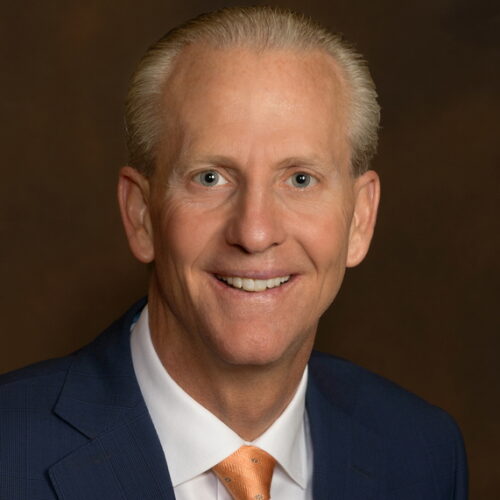 Breaking the Cycle of Homelessness and Incarceration: Q&A with New CSG Justice Center Advisory Board Member Wayne Niederhauser
The CSG Justice Center Advisory Board establishes the policy and project priorities of the organization. The board features a cross-section of leaders who shape criminal justice policy in various parts of the country.
Read More Involuntary Treatment for Patients in the Justice System: Q&A with Dr. Marvin Swartz
"AOT is a complex community intervention that can be effective or not depending on how it is implemented. The question about its effectiveness is better phrased as: for whom and under what conditions can AOT be effective?"
Read More