






Mentoring and Transitional Services for Youth
Through the Second Chance Act, multiple grant programs provide funding for nonprofit organizations—including faith-based, tribal, and community-based nonprofit organizations—and federally recognized tribal communities to provide mentoring and transitional services for youth returning to their communities from secure confinement settings, as well as for children and families of incarcerated parents. The U.S. Department of Justice’s Office of Juvenile Justice and Delinquency Prevention (OJJDP) administers these awards.
Second Chance Act Addressing the Needs of Incarcerated Parents With Minor Children
This program promotes and expands services in detention and correctional facilities to incarcerated people who have children under the age of 18. This program provides states, territories, and units of local government with funding to implement positive family engagement strategies and activities that address the needs of incarcerated parents with minor children. Program activities include developing strategies to increase and enhance communication between the child and their incarcerated parent while maintaining safe facilities and providing transitional reentry services that incorporate a focus on parental responsibility for incarcerated parents.
The objectives of this program are to:
- Reduce the incarcerated parent’s behavioral infractions during incarceration and chances of recidivating after release;
- Provide services that foster positive youth development for children of incarcerated parents; these services may include, but are not limited to, mentoring for these children; and
- Develop innovative approaches that will enhance parent/child communication, such as the use of tele-visiting, emailing, letter writing, audio recordings, and transportation assistance for in-person visits.
For more information, see the most recent OJJDP grant solicitation and webinar.
Second Chance Act Strengthening Relationships Between Young Fathers, Young Mothers, and Their Children
This grant program supported the implementation and delivery of culturally appropriate and gender-specific transitional services that included one-on-one, group, and peer mentoring services for young fathers and mothers up to age 24 in the criminal justice system. Other services included a broad range of activities, such as providing case management, assessing both the risk factors and personal strengths that affect recidivism, and substance addiction treatment.
For more information, see the most recent OJJDP grant solicitation from 2016.
Second Chance Act Strengthening Families and Children of Incarcerated Parents
This grant program provided funding to nonprofit organizations that delivered services to foster engagement between incarcerated parents, children, and their caregivers, as well as to promote positive youth development. Funds supported the development and expansion of services for children who had a parent incarcerated at a Federal Bureau of Prisons correctional facility. Those efforts included developing or delivering programs that enhanced the life skills of children of incarcerated parents, such as mentoring, case management, counseling, youth coaching, and academic support; and providing services to facilitate communication between incarcerated parents, their children, and the child’s caregiver.
For more information, see the most recent OJJDP grant solicitation from 2015.
Second Chance Act Supporting Latino/a Youth from Out-of-Home Placement to the Community
This grant program provided funding to nonprofit organizations with a demonstrable history of providing community-based reentry programs and services to Latino/a youth. Funds supported mentoring and comprehensive transitional services that emphasized the development of life and parenting skills for Latino/a youth who had been involved with the criminal justice system. Priority consideration was given to organizations that used evidence-based reentry strategies and incorporated an independent evaluation of the project. Deliverables and allowable uses for grant funds included developing strategic partnerships; providing transitional services; collecting robust performance measures of implementation and impact; and promoting holistic approaches to reentry, such as family and community engagement and educational opportunities.
For more information, see the most recent OJJDP grant solicitation from 2015.
Second Chance Act Juvenile Mentoring Initiative
This grant program provided funding to state, local, and tribal governments; public universities and colleges; and nonprofit organizations to develop, implement, and expand mentoring programs and transitional services for youth returning to their communities from secure confinement. Grantees integrated best practices into mentoring service models, developed strategies to recruit and retain mentors, assessed the needs of their target population, and developed services and partnerships to address those needs.
For more information, see the most recent OJJDP grant solicitation from 2011.
Current and Past Grantees
OJJDP has awarded 87 grants for mentoring and transitional services for youth or young adults:
- 11 Juvenile Mentoring grants in 2009
- 9 Juvenile Mentoring grants in 2010
- 9 Juvenile Mentoring grants in 2011
- 5 Young Fathers grants in 2014
- 3 Families and Children of Incarcerated Parents grants in 2015
- 6 Latino/a Youth grants in 2015
- 7 Young Fathers grants in 2015
- 16 Young Fathers grants in 2016 and 2017, combined
- 11 Young Mothers grants in 2016 and 2017, combined
- 10 Incarcerated Parents grants in 2018

"It is the humane, person-centered approach that supports and stabilizes individuals, their families, and their communities."
Read More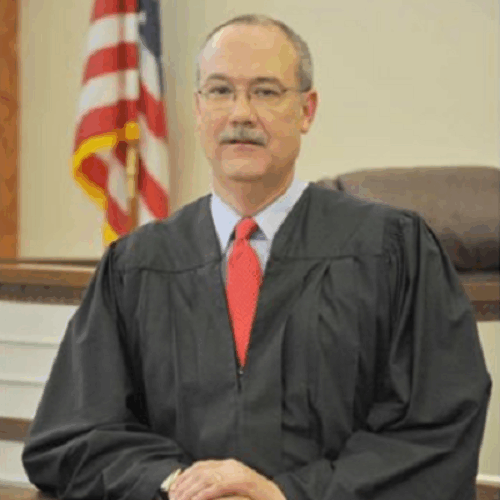
The Judge Stephen S. Goss Memorial Award for Leadership has expanded to include Lifetime Achievement Awards and, in…
Read More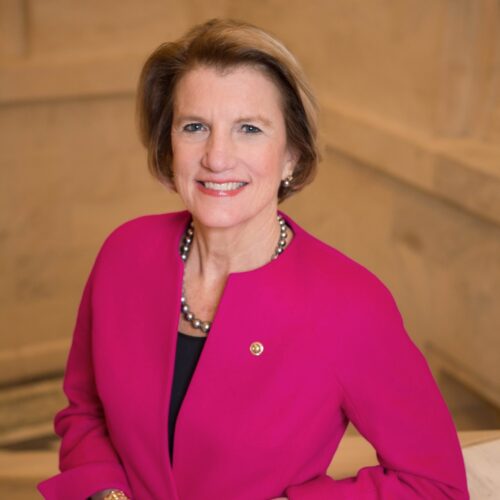
On October 9, 2025, the Senate passed the Second Chance Reauthorization Act of 2025 (S. 1843), which would…
Read More
Local Criminal Justice System Innovations in Mental Health Services: Q&A with CSG Justice Center Advisory Board Member Dr. Doreen Williams
"It is the humane, person-centered approach that supports and stabilizes individuals, their families, and their communities."
Read More
2025 Nominations Now Open for Judges and Psychiatrists Improving Lives and Behavioral Health
The Judge Stephen S. Goss Memorial Award for Leadership has expanded to include Lifetime Achievement Awards and, in 2024, the first-ever Team Collaboration Award.
Read More
Senate Passes Second Chance Reauthorization Act of 2025
On October 9, 2025, the Senate passed the Second Chance Reauthorization Act of 2025 (S. 1843), which would continue critical recidivism-reduction and reentry services nationwide.
Read More CSG Justice Center Launches First-of-Its-Kind Statewide Crisis Intervention Teams (CIT) Technical Assistance Center
The CSG Justice Center has partnered with the Pennsylvania Commission on Crime and Delinquency and CIT International to launch a first-of-its-kind statewide Technical Assistance (TA) Center.
Read More How Kentucky’s “Seth’s Law” Reduces Barriers to Care for Competency to Stand Trial and Guardianship
Read More
How Kentucky’s “Seth’s Law” Reduces Barriers to Care for Competency to Stand Trial and Guardianship
Read More
 2025 in Review: Justice Data and Solutions for State and Local Leaders Amid Federal Change
Our mission hasn’t changed; it’s become more essential. The following 2025 accomplishments are a testament to that enduring focus.
Read More