





State, Local, and Tribal Reentry Courts
This grant program provided funding for the development and enhancement of court programs and specialized reentry court dockets that included comprehensive services for people returning to their communities from incarceration in order to increase accountability and lower overall recidivism. The U.S. Department of Justice’s Bureau of Justice Assistance (BJA) administered the awards.
Objectives and Deliverables
The goals of grantees funded through this program included:
- Collaboration across agencies and systems, including mental health and substance use treatment providers, prosecutors, nonprofit organizations, and law enforcement;
- Engagement with target populations to increase program retention, enhance community support, and respond with appropriate services before release, including the treatment of mental illnesses and substance use disorders and assistance with housing, education, and employment; and
- Development of tailored pre- and post-release programming to address individual criminogenic needs that affect the risk of recidivism.
For more information, see the most recent BJA grant solicitation from 2011.
Past Grantees
BJA awarded a total of 12 grants for reentry court programs: 9 in 2010 and 3 in 2011.
The CSG Justice Center Advisory Board establishes the policy and project priorities of the organization. The board features…
Read More
"AOT is a complex community intervention that can be effective or not depending on how it is implemented.…
Read More
8 states gathered to discuss workforce solutions for formerly incarcerated people.
Read More
Breaking the Cycle of Homelessness and Incarceration: Q&A with New CSG Justice Center Advisory Board Member Wayne Niederhauser
The CSG Justice Center Advisory Board establishes the policy and project priorities of the organization. The board features a cross-section of leaders who shape criminal justice policy in various parts of the country.
Read More
Involuntary Treatment for Patients in the Justice System: Q&A with Dr. Marvin Swartz
"AOT is a complex community intervention that can be effective or not depending on how it is implemented. The question about its effectiveness is better phrased as: for whom and under what conditions can AOT be effective?"
Read More
Reentry 2030 States Explore Day 1 Employment Readiness After Incarceration
8 states gathered to discuss workforce solutions for formerly incarcerated people.
Read More Local Criminal Justice System Innovations in Mental Health Services: Q&A with CSG Justice Center Advisory Board Member Dr. Doreen Williams
"It is the humane, person-centered approach that supports and stabilizes individuals, their families, and their communities."
Read More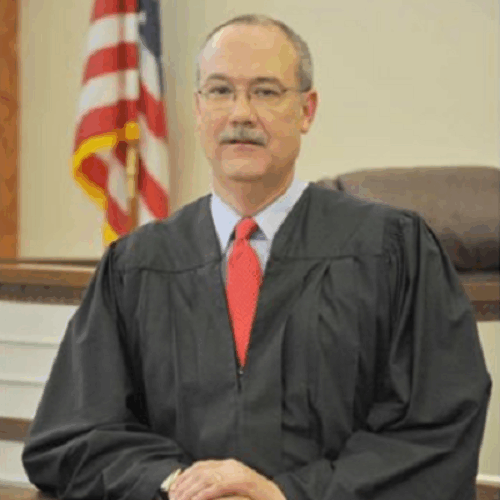 2025 Nominations Now Open for Judges and Psychiatrists Improving Lives and Behavioral Health
The Judge Stephen S. Goss Memorial Award for Leadership has expanded to include Lifetime Achievement Awards and, in 2024, the first-ever Team Collaboration Award.
Read More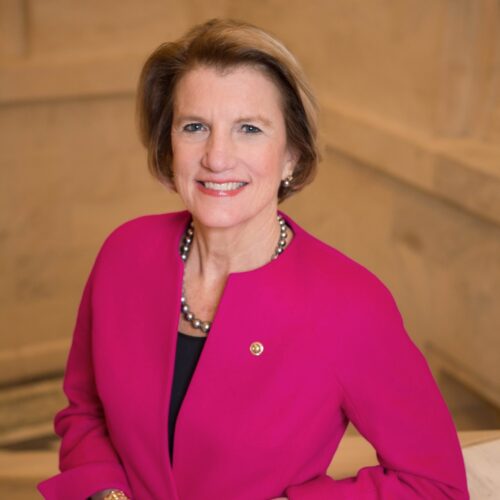 Senate Passes Second Chance Reauthorization Act of 2025
On October 9, 2025, the Senate passed the Second Chance Reauthorization Act of 2025 (S. 1843), which would continue critical recidivism-reduction and reentry services nationwide.
Read More