





Purpose, Necessity, and Impact
Reflections from the Transforming Juvenile Probation Certificate Program
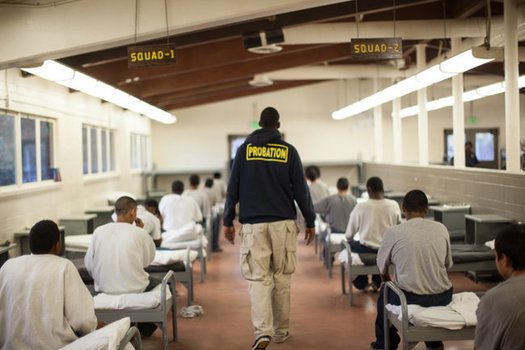
Over the past two decades, juvenile justice systems in the United States have seen significant advancements. Decreases in juvenile justice arrests and incarceration rates, as well as an increasing number of agencies implementing evidence-based strategies, have indicated noted progress. Despite these gains, few jurisdictions have fundamentally questioned the purpose and goals of probation or considered reorienting the role of probation officers away from surveillance and sanctions and toward promoting positive youth behavior change.
This narrative changed last month when seven jurisdictions from across the country participated in the Transforming Juvenile Probation Certificate Program, a weeklong intensive training. The training was hosted in partnership with Georgetown’s Center for Juvenile Justice Reform (CJJR) and The Council of State Governments (CSG) Justice Center and was supported by the Annie E. Casey Foundation (AECF).
The program brought together cross-disciplinary teams from Caddo Parish, Louisiana; Charlottesville, Virginia; Marion County, Indiana; Multnomah County, Oregon; the state of New Hampshire; San Diego County, California; and Stark County, Ohio.
The training encouraged teams to fundamentally rethink the policies, procedures, practices, and partnerships that make up their juvenile probation systems. The teams received information from nationally renowned juvenile justice researchers and practitioners and covered a variety of topics, including probation conditions, diversion practices, fairness and equity, and the role of probation officers.
Throughout the week, teams spent time together developing strategic plans detailing the specific changes they plan to enact as part of the program’s capstone project. At the end of the training, participants left with a wealth of knowledge that will be shared with their internal and external partners to better improve public safety and youth outcomes; employ resources more efficiently; and reduce the disparate treatment of youth of color.
Some of the certificate program’s participants had this to say about their experience of the week-long training.
For the next year, jurisdictions will also receive distance and on-site technical assistance to help implement their plans and projects in their communities.
The CSG Justice Center Advisory Board establishes the policy and project priorities of the organization. The board features…
Read More
"AOT is a complex community intervention that can be effective or not depending on how it is implemented.…
Read More
8 states gathered to discuss workforce solutions for formerly incarcerated people.
Read More
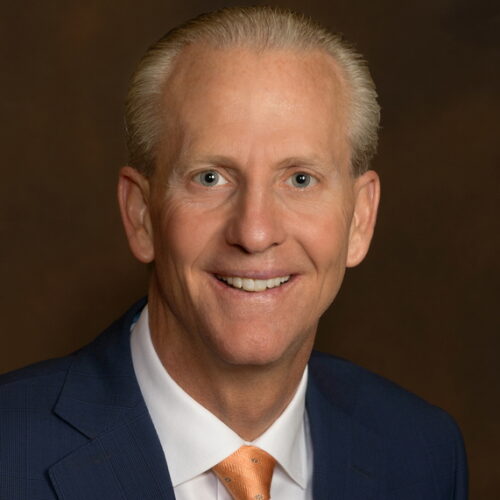
Breaking the Cycle of Homelessness and Incarceration: Q&A with New CSG Justice Center Advisory Board Member Wayne Niederhauser
The CSG Justice Center Advisory Board establishes the policy and project priorities of the organization. The board features a cross-section of leaders who shape criminal justice policy in various parts of the country.
Read More
Involuntary Treatment for Patients in the Justice System: Q&A with Dr. Marvin Swartz
"AOT is a complex community intervention that can be effective or not depending on how it is implemented. The question about its effectiveness is better phrased as: for whom and under what conditions can AOT be effective?"
Read More
Reentry 2030 States Explore Day 1 Employment Readiness After Incarceration
8 states gathered to discuss workforce solutions for formerly incarcerated people.
Read More Local Criminal Justice System Innovations in Mental Health Services: Q&A with CSG Justice Center Advisory Board Member Dr. Doreen Williams
"It is the humane, person-centered approach that supports and stabilizes individuals, their families, and their communities."
Read More 2025 Nominations Now Open for Judges and Psychiatrists Improving Lives and Behavioral Health
The Judge Stephen S. Goss Memorial Award for Leadership has expanded to include Lifetime Achievement Awards and, in 2024, the first-ever Team Collaboration Award.
Read More Senate Passes Second Chance Reauthorization Act of 2025
On October 9, 2025, the Senate passed the Second Chance Reauthorization Act of 2025 (S. 1843), which would continue critical recidivism-reduction and reentry services nationwide.
Read More