






Incarceration, Poverty, and the Family
This webinar from the Institute of Research on Poverty at the University of Wisconsin-Madison examines research on incarceration, poverty, and the family. Since 1980, the number of Americans in state and federal prisons has quintupled—largely because of longer prison sentences. This dramatic shift has many implications related to poverty and family dynamics for incarcerated Americans and their children. The webinar focuses on broad trends in poverty and incarceration and their effects on families and neighborhoods. It also discusses how incarceration…
This webinar from the Institute of Research on Poverty at the University of Wisconsin-Madison examines research on incarceration, poverty, and the family. Since 1980, the number of Americans in state and federal prisons has quintupled—largely because of longer prison sentences. This dramatic shift has many implications related to poverty and family dynamics for incarcerated Americans and their children. The webinar focuses on broad trends in poverty and incarceration and their effects on families and neighborhoods. It also discusses how incarceration impacts families at the individual level, as well as strategies for practitioners and policymakers to help children of incarcerated parents. To watch this webinar, click here.
Find other events

You might also be interested in

Corrections leaders balance the complex priorities of maintaining public safety, operating secure facilities, providing needed care and services…
Read More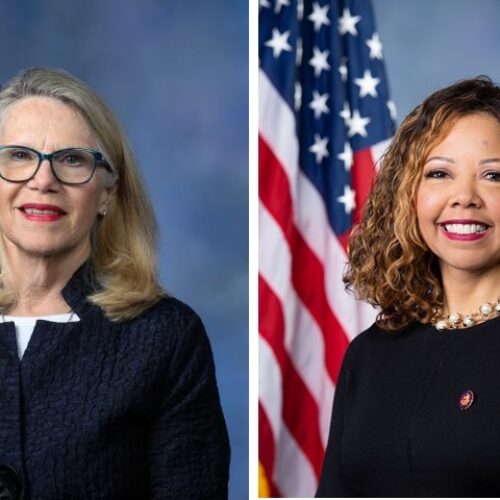
A bipartisan group of 33 members of Congress, lawmakers, led by Congresswomen Carol Miller (R-WV) and Lucy McBath…
Read More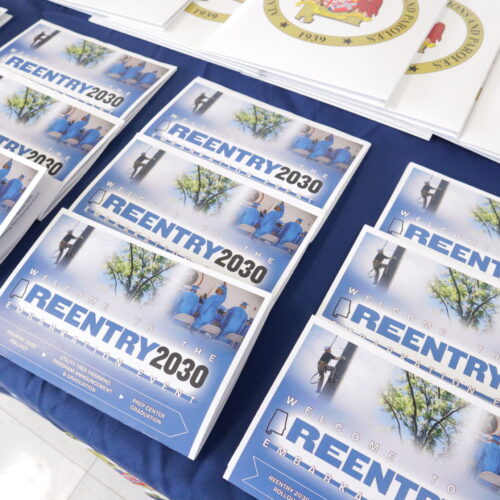
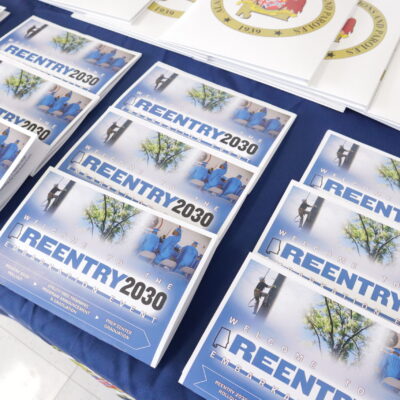
Alabama is taking action to achieve its Reentry 2030 goals and positioning itself as a leader in reentry.
Read More Apply Now for Resident Analyst Program to Increase Data Analysis Capacity at Departments of Corrections
Read More
Apply Now for Resident Analyst Program to Increase Data Analysis Capacity at Departments of Corrections
Read More
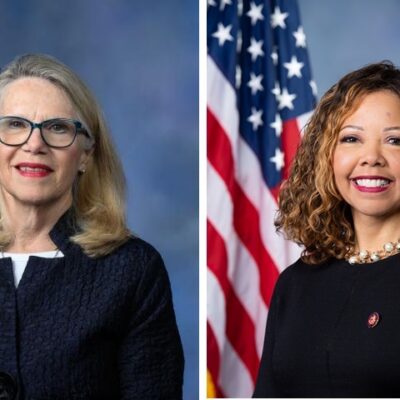 Bipartisan Group of 33 Lawmakers Promote Continued Funding for the Justice Reinvestment Initiative
Read More
Bipartisan Group of 33 Lawmakers Promote Continued Funding for the Justice Reinvestment Initiative
Read More