





On June 27, 2013, the Council of Governments Justice Center (CSG Justice Center), in partnership with the Urban Institute, hosted a field-wide training webinar about the recently expanded What Works in Reentry Clearinghouse. This online compendium now includes new information on substance abuse and family-based programs, and will soon release content on education programs.
More than 200 participants—including state and local policymakers, program managers, researchers, and practitioners—joined the webinar, which featured a discussion led by Urban Institute’s Dr. Nancy La Vigne on the Clearinghouse’s methodology and how these new sections can help programs improve their service-delivery model, prepare proposals, and compare outcomes.
Recent research indicates that certain therapeutic community treatment programs are effective for treating substance abuse needs, and that implementing gender-responsive services is especially important to women. Additionally, certain family-based programs were shown to help promote reductions in recidivism, underscoring the importance of family engagement in promoting successful reentry. These key findings can be valuable to policymakers, program administrators, and practitioners seeking to develop or improve their strategies for reducing recidivism.
Most recently, the CSG Justice Center and the Urban Institute have been working with agencies and experts in the field to ensure that the What Works in Reentry Clearinghouse is providing them with the information they need to promote public safety through improved outcomes for people reentering the community from incarceration.
If you would like to share insights and examples of how you have used the What Works in Reentry Clearinghouse through the National Reentry Resource Center Newsletter, please complete this survey. If you would like a private training on how to use the What Works in Reentry Clearinghouse contact Hank Rosen at hrosen@csg.org.
The CSG Justice Center Advisory Board establishes the policy and project priorities of the organization. The board features…
Read More
"AOT is a complex community intervention that can be effective or not depending on how it is implemented.…
Read More
8 states gathered to discuss workforce solutions for formerly incarcerated people.
Read More
Breaking the Cycle of Homelessness and Incarceration: Q&A with New CSG Justice Center Advisory Board Member Wayne Niederhauser
The CSG Justice Center Advisory Board establishes the policy and project priorities of the organization. The board features a cross-section of leaders who shape criminal justice policy in various parts of the country.
Read More
Involuntary Treatment for Patients in the Justice System: Q&A with Dr. Marvin Swartz
"AOT is a complex community intervention that can be effective or not depending on how it is implemented. The question about its effectiveness is better phrased as: for whom and under what conditions can AOT be effective?"
Read More
Reentry 2030 States Explore Day 1 Employment Readiness After Incarceration
8 states gathered to discuss workforce solutions for formerly incarcerated people.
Read More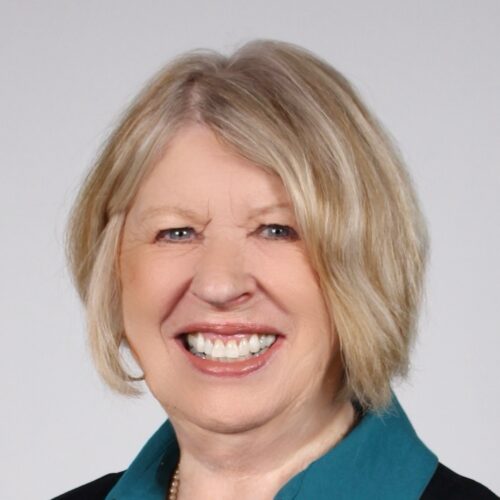 Local Criminal Justice System Innovations in Mental Health Services: Q&A with CSG Justice Center Advisory Board Member Dr. Doreen Williams
"It is the humane, person-centered approach that supports and stabilizes individuals, their families, and their communities."
Read More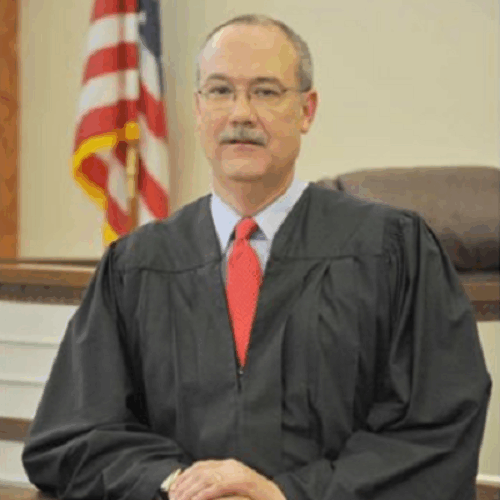 2025 Nominations Now Open for Judges and Psychiatrists Improving Lives and Behavioral Health
The Judge Stephen S. Goss Memorial Award for Leadership has expanded to include Lifetime Achievement Awards and, in 2024, the first-ever Team Collaboration Award.
Read More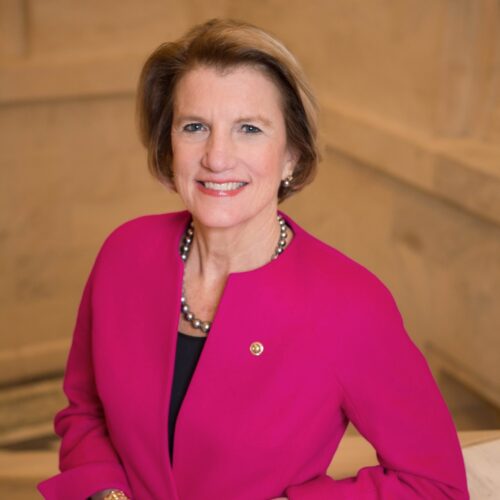 Senate Passes Second Chance Reauthorization Act of 2025
On October 9, 2025, the Senate passed the Second Chance Reauthorization Act of 2025 (S. 1843), which would continue critical recidivism-reduction and reentry services nationwide.
Read More