









Second Chance Act Grantee Takes Part in New Young Adult Correctional Program
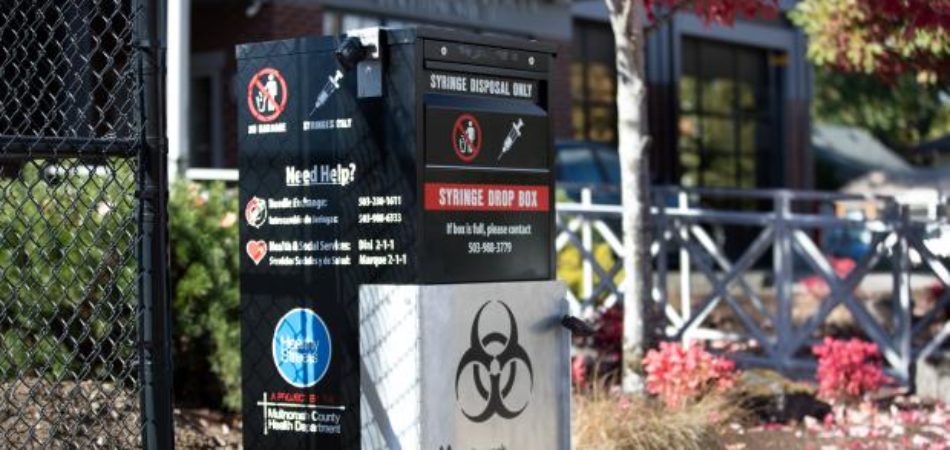
The Middlesex, Massachusetts, Sheriff’s Office opened a new jail unit specifically for young adults this month. Established in partnership with the local nonprofit UTEC and the Vera Institute of Justice, the specialized unit—called People Achieving Change Together (PACT)—seeks to reduce recidivism by offering tailored programming to young people between the ages of 18 and 24 at the Middlesex Jail and House of Correction.
A Lowell-based organization that focuses on reentry, UTEC has received Second Chance Act mentoring and Latino youth grants to support its work with young adults both in correctional facilities and transitioning home to their communities. UTEC helped design the new unit after years of collaboration with the Middlesex Jail and House of Correction.
The rollout of PACT follows the CSG Justice Center’s 2016 analysis of the criminal justice system in Massachusetts, which found that 18- to 24-year-olds released from state Houses of Correction (HOCs) and Department of Correction (DOC) facilities in 2011 had the highest recidivism rate of any age group. Seventy-six percent of 18- to 24-year-olds released from HOCs in 2011 were rearraigned within three years of release.
Read more about one of UTEC’s participants and see the CSG Justice Center’s Dos and Don’ts for Reducing Recidivism among Young Adults in the Justice System.
The CSG Justice Center Advisory Board establishes the policy and project priorities of the organization. The board features…
Read More
"AOT is a complex community intervention that can be effective or not depending on how it is implemented.…
Read More
8 states gathered to discuss workforce solutions for formerly incarcerated people.
Read More
Breaking the Cycle of Homelessness and Incarceration: Q&A with New CSG Justice Center Advisory Board Member Wayne Niederhauser
The CSG Justice Center Advisory Board establishes the policy and project priorities…
Read More
Involuntary Treatment for Patients in the Justice System: Q&A with Dr. Marvin Swartz
"AOT is a complex community intervention that can be effective or not…
Read More
Reentry 2030 States Explore Day 1 Employment Readiness After Incarceration
8 states gathered to discuss workforce solutions for formerly incarcerated people.
Read More Local Criminal Justice System Innovations in Mental Health Services: Q&A with CSG Justice Center Advisory Board Member Dr. Doreen Williams
"It is the humane, person-centered approach that supports and stabilizes individuals, their…
Read More 2025 Nominations Now Open for Judges and Psychiatrists Improving Lives and Behavioral Health
The Judge Stephen S. Goss Memorial Award for Leadership has expanded to…
Read More Senate Passes Second Chance Reauthorization Act of 2025
On October 9, 2025, the Senate passed the Second Chance Reauthorization Act…
Read More