








Minnesota Governor’s Council on Justice Reinvestment Discusses Results of Community Supervision System Review
On January 21, 2022, the Minnesota Governor’s Council on Justice Reinvestment met for the second time, to review the results of a comprehensive examination of the state’s community supervision system conducted by the Delivery System Standards and Funding Policy Working Group with assistance from the CSG Justice Center.
Since September 2021, staff from the CSG Justice Center have supported the working group in assessing community supervision delivery systems across Minnesota and developing a more equitable funding model that sustainably allocates resources across the state to expand the use of evidence-based supervision practices. This work is part of the state’s Justice Reinvestment Initiative (JRI).
Key findings from the assessment of the state’s community supervision system include the following:
- Minnesota’s community supervision funding mechanisms are complex and have resulted in significant variation in state and county investment across the state.
- The CSG Justice Center’s assessment of community supervision agencies indicates that there are inconsistencies in the use of risk and needs assessment tools, quality assurance practices, community program availability, and case planning across the state.
- There is wide variation in revocation rates for people on felony probation by supervision agency, and Minnesota can improve outcomes for people on supervision by consistently employing the principles of effective intervention.
- Black and Native American people are over-represented in community supervision populations and are more likely than White people to be reincarcerated.
Going forward, members of the Governor’s Council will consider policy recommendations for addressing these challenges and helping Minnesota achieve a supervision system that is effective, equitable, and adequately resourced. Final recommendations will be delivered to the governor by the end of February 2022 to inform action during the 2022 legislative session.
Both the council—a bipartisan, interbranch committee—and the working group—a committee established to update the state’s supervision funding formula—are overseeing this work as part of JRI. JRI is funded by the U.S. DOJ’s Office of Justice Programs, Bureau of Justice Assistance and The Pew Charitable Trusts and was jointly initiated by leaders from Minnesota’s executive, legislative, and judicial branches as well as county leadership.
© AndreyKrav
This project was supported by Grant No. 2019-ZB-BX-K002 awarded by the Bureau of Justice Assistance. The Bureau of Justice Assistance is a component of the Department of Justice’s Office of Justice Programs, which also includes the Bureau of Justice Statistics, the National Institute of Justice, the Office of Juvenile Justice and Delinquency Prevention, the Office for Victims of Crime, and the SMART Office. Points of view or opinions in this document are those of the author and do not necessarily represent the official position or policies of the U.S. Department of Justice.

Our plan—developed with the National Resource Center on Children & Families of the Incarcerated at Rutgers University-Camden and…
Read More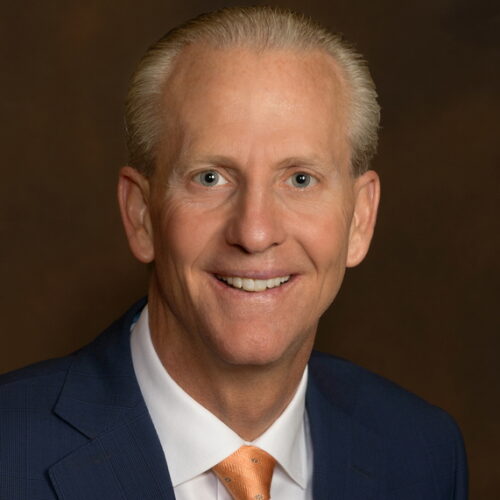
The CSG Justice Center Advisory Board establishes the policy and project priorities of the organization. The board features…
Read More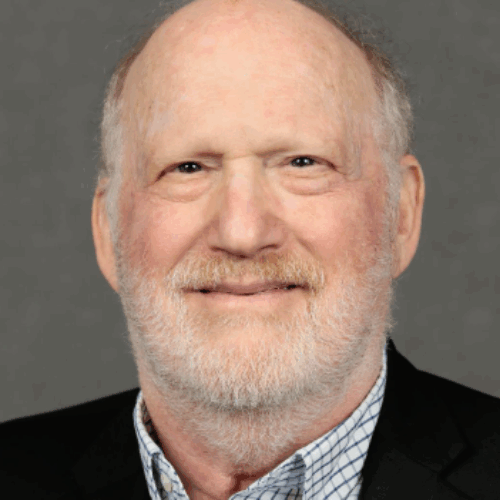
"AOT is a complex community intervention that can be effective or not depending on how it is implemented.…
Read More
First-of-its-Kind Plan for States to Support Children and Families with Incarcerated Parents
Our plan—developed with the National Resource Center on Children & Families of the Incarcerated at Rutgers University-Camden and the Institute for Municipal and Regional Policy at UConn—provides evidence-based, trauma-informed strategies for corrections leaders and policymakers to strengthen parent-child connections and reduce recidivism.
Read More
Breaking the Cycle of Homelessness and Incarceration: Q&A with New CSG Justice Center Advisory Board Member Wayne Niederhauser
The CSG Justice Center Advisory Board establishes the policy and project priorities of the organization. The board features a cross-section of leaders who shape criminal justice policy in various parts of the country.
Read More
Involuntary Treatment for Patients in the Justice System: Q&A with Dr. Marvin Swartz
"AOT is a complex community intervention that can be effective or not depending on how it is implemented. The question about its effectiveness is better phrased as: for whom and under what conditions can AOT be effective?"
Read More Reentry 2030 States Explore Day 1 Employment Readiness After Incarceration
8 states gathered to discuss workforce solutions for formerly incarcerated people.
Read More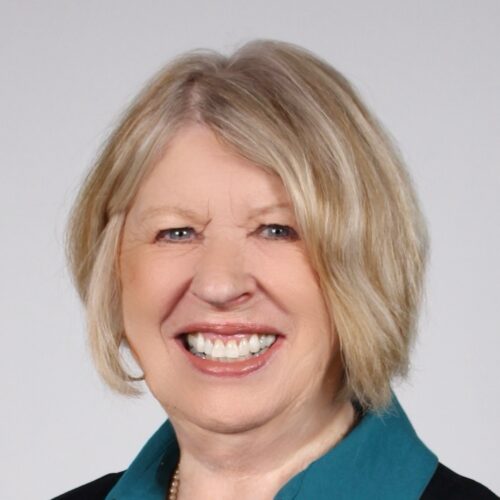 Local Criminal Justice System Innovations in Mental Health Services: Q&A with CSG Justice Center Advisory Board Member Dr. Doreen Williams
"It is the humane, person-centered approach that supports and stabilizes individuals, their families, and their communities."
Read More 2025 Nominations Now Open for Judges and Psychiatrists Improving Lives and Behavioral Health
The Judge Stephen S. Goss Memorial Award for Leadership has expanded to include Lifetime Achievement Awards and, in 2024, the first-ever Team Collaboration Award.
Read More