







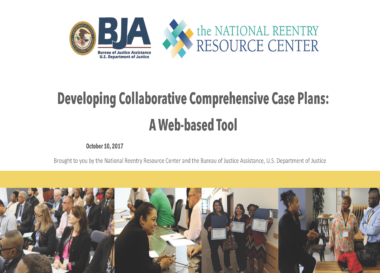
Developing Collaborative Comprehensive Case Plans
Hosted by the National Reentry Resource Center, with funding support from the U.S. Department of Justice’s Bureau of Justice Assistance
This webinar provides an overview of a web-based tool that includes key priorities for developing and implementing collaborative comprehensive case plans and features grantee profiles as examples of lead case planners (behavioral health treatment providers, corrections, and community supervision). These collaborative comprehensive case plans build upon Adults with Behavioral Health Needs under Correctional Supervision: A Shared Framework for Reducing Recidivism and Promoting Recovery, which provided a framework for prioritizing supervision and treatment resources for people based on their level of criminogenic risk and the severity of their behavioral health needs.
While jurisdictions around the country have made progress in using validated screening and assessment instruments to identify substance use and mental disorders and to assess for criminogenic risk factors, many programs still struggle to incorporate this information into case plans in a way that reflects identified behavioral health and criminogenic needs and optimizes the likelihood of attaining the persons’ goals. During the webinar, two former Second Chance Act Reentry Program for Adults with Co-occurring Substance Use and Mental Disorders (SCA COD) grantee programs discuss their successes and challenges in the case planning process. This web-based tool was specifically developed based on experience with SCA COD grantees over the past seven years in order to help the field create case plans that equally utilize criminogenic risk and behavioral health assessments.
Session Objectives:
By the end of the workshop, participants should be able to:
- Identify key priorities for developing and implementing collaborative comprehensive case plans
- Understand strategies for ensuring that case plans balance behavioral health and criminogenic needs
- Review how to use the web-base collaborative comprehensive case plan tools
Moderator:
- Mark Stovell, Policy Analyst, Behavioral Health, The Council of State Governments Justice Center
Speakers:
- Andre Bethea, Policy Advisor for Corrections, Bureau of Justice Assistance, U.S. Department of Justice
- Tina Bialas, Clinical Supervisor, Corrections Program & Director of Behavioral Health, Bridgeway Recovery Services, Inc. (Salem, Oregon)
- Levin Schwartz, Assistant Deputy Superintendent of Clinical & Reentry Services, Franklin County Sheriff’s Office (Greenfield, Massachusetts)
- Sarah Wurzburg, Deputy Program Director, Behavioral Health, The Council of State Governments Justice Center
Key Resources:
- Adults with Behavioral Health Needs under Correctional Supervision: A Shared Framework for Reducing Recidivism and Promoting Recovery
- A Checklist for Implementing Evidence-Based Practices and Programs (EBPs) for Justice-Involved Adults with Behavioral Health Disorders
- Engaging in Collaborative Partnerships to Support Reentry
Find other events


You might also be interested in
8 states gathered to discuss workforce solutions for formerly incarcerated people.
Read More
"It is the humane, person-centered approach that supports and stabilizes individuals, their families, and their communities."
Read More
The Judge Stephen S. Goss Memorial Award for Leadership has expanded to include Lifetime Achievement Awards and, in…
Read More
 Local Criminal Justice System Innovations in Mental Health Services: Q&A with CSG Justice Center Advisory Board Member Dr. Doreen Williams
Read More
Local Criminal Justice System Innovations in Mental Health Services: Q&A with CSG Justice Center Advisory Board Member Dr. Doreen Williams
Read More
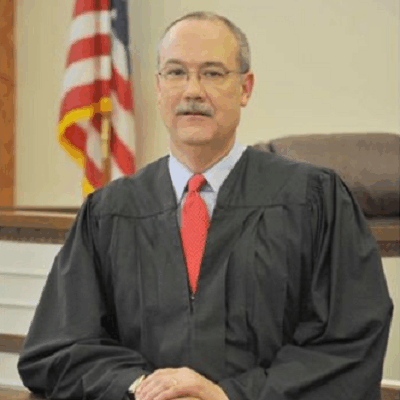 2025 Nominations Now Open for Judges and Psychiatrists Improving Lives and Behavioral Health
Read More
2025 Nominations Now Open for Judges and Psychiatrists Improving Lives and Behavioral Health
Read More