







Webinar Archive: Improving the Mental Health Court Response to Crime Victims
This webinar explored why the rights due to victims in traditional criminal court proceedings are not always made available to individuals who are victimized by people accepted into mental health courts. Panelists suggested practical solutions for improving victims’ rights policies and highlighted recommendations from the Justice Center publication, Guide to the Role of Crime Victims in Mental Health Courts, developed with support from the Office for Victims of Crime. Panelists also outlined strategies for involving victims at various points in…
This webinar explored why the rights due to victims in traditional criminal court proceedings are not always made available to individuals who are victimized by people accepted into mental health courts. Panelists suggested practical solutions for improving victims’ rights policies and highlighted recommendations from the Justice Center publication, Guide to the Role of Crime Victims in Mental Health Courts, developed with support from the Office for Victims of Crime. Panelists also outlined strategies for involving victims at various points in the mental health court process without compromising adherence to medical privacy mandates and principles.
Please click here to view/download the webinar.
Find other events
You might also be interested in

8 states gathered to discuss workforce solutions for formerly incarcerated people.
Read More
"It is the humane, person-centered approach that supports and stabilizes individuals, their families, and their communities."
Read More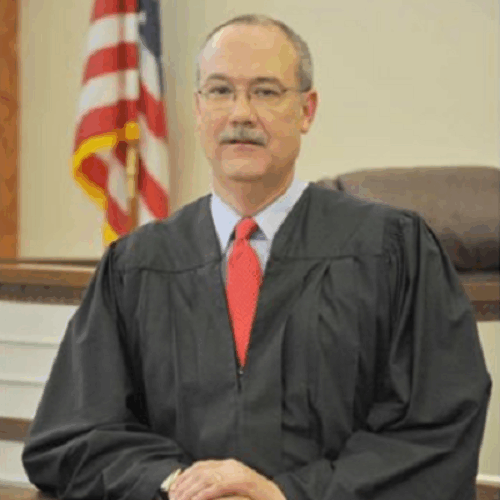
The Judge Stephen S. Goss Memorial Award for Leadership has expanded to include Lifetime Achievement Awards and, in…
Read More
 Local Criminal Justice System Innovations in Mental Health Services: Q&A with CSG Justice Center Advisory Board Member Dr. Doreen Williams
Read More
Local Criminal Justice System Innovations in Mental Health Services: Q&A with CSG Justice Center Advisory Board Member Dr. Doreen Williams
Read More
 2025 Nominations Now Open for Judges and Psychiatrists Improving Lives and Behavioral Health
Read More
2025 Nominations Now Open for Judges and Psychiatrists Improving Lives and Behavioral Health
Read More