






Rethinking Juvenile Justice and Schools
How Probation Can Do More Harm than Good When It Comes to Keeping Youth in School and on Track
Part 2 of 2
Policy Recommendations
Jurisdictions should examine the current roles and responsibilities of their juvenile probation and education systems to identify opportunities to adopt more research-based, developmentally appropriate approaches for improving school attendance and performance for youth under system supervision.
Here are five concrete policy, practice, and funding strategies for court and probation agencies to consider.
1. Revamp Supervision Conditions
Eliminate or revamp standardized, education-related conditions of supervision so such conditions are generally imposed only if and when school issues are a direct cause of individual youth’s delinquent behavior.
2. Tailor Interventions
Reduce or eliminate the time that probation officers spend tracking down school records and making school visits for all youth on their caseloads unless school attendance is directly related to the actual causes of individual youth’s delinquent behavior. In such cases, probation officers should partner with schools, youth, families, and community-based organizations to identify and connect youth with programs and services that address the individualized reasons underlying their school attendance and performance challenges.
3. Adjust Operations
Maintain operations during nontraditional hours to ensure that youth don’t have to miss school (and families don’t have to miss work) for court hearings and probation appointments.
4. Eliminate School Contacts
Eliminate probation contacts while youth are at school to avoid youth feeling stigmatized. If such appointments are absolutely necessary, officers should partner with schools to make every effort to keep such meetings confidential.
5. Use Incentives
Employ a formal system of incentives and graduated responses focused on concrete educational goals as the most effective way to promote school progress and hold youth accountable rather than sanctions, such as detention, that have proven costly and ineffective.
You might also be interested in
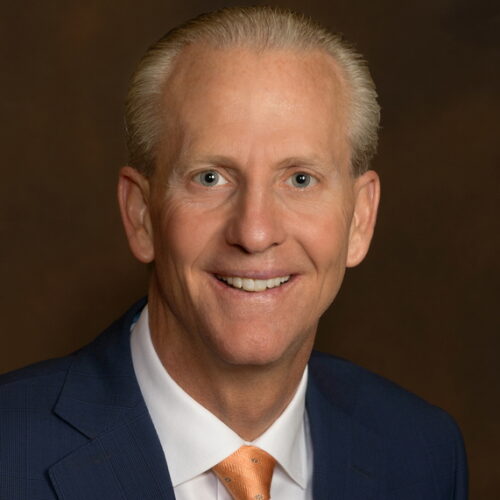
Breaking the Cycle of Homelessness and Incarceration: Q&A with New CSG Justice Center Advisory Board Member Wayne Niederhauser
The CSG Justice Center Advisory Board establishes the policy and project priorities of the organization. The board features…
Read More
Involuntary Treatment for Patients in the Justice System: Q&A with Dr. Marvin Swartz
"AOT is a complex community intervention that can be effective or not depending on how it is implemented.…
Read More
Reentry 2030 States Explore Day 1 Employment Readiness After Incarceration
8 states gathered to discuss workforce solutions for formerly incarcerated people.
Read More
Breaking the Cycle of Homelessness and Incarceration: Q&A with New CSG Justice Center Advisory Board Member Wayne Niederhauser
The CSG Justice Center Advisory Board establishes the policy and project priorities of the organization. The board features a cross-section of leaders who shape criminal justice policy in various parts of the country.
Read More
Involuntary Treatment for Patients in the Justice System: Q&A with Dr. Marvin Swartz
"AOT is a complex community intervention that can be effective or not depending on how it is implemented. The question about its effectiveness is better phrased as: for whom and under what conditions can AOT be effective?"
Read More
Reentry 2030 States Explore Day 1 Employment Readiness After Incarceration
8 states gathered to discuss workforce solutions for formerly incarcerated people.
Read More Local Criminal Justice System Innovations in Mental Health Services: Q&A with CSG Justice Center Advisory Board Member Dr. Doreen Williams
"It is the humane, person-centered approach that supports and stabilizes individuals, their families, and their communities."
Read More 2025 Nominations Now Open for Judges and Psychiatrists Improving Lives and Behavioral Health
The Judge Stephen S. Goss Memorial Award for Leadership has expanded to include Lifetime Achievement Awards and, in 2024, the first-ever Team Collaboration Award.
Read More Senate Passes Second Chance Reauthorization Act of 2025
On October 9, 2025, the Senate passed the Second Chance Reauthorization Act of 2025 (S. 1843), which would continue critical recidivism-reduction and reentry services nationwide.
Read More