






Improving the Courts’ Response to People with Mental Illnesses
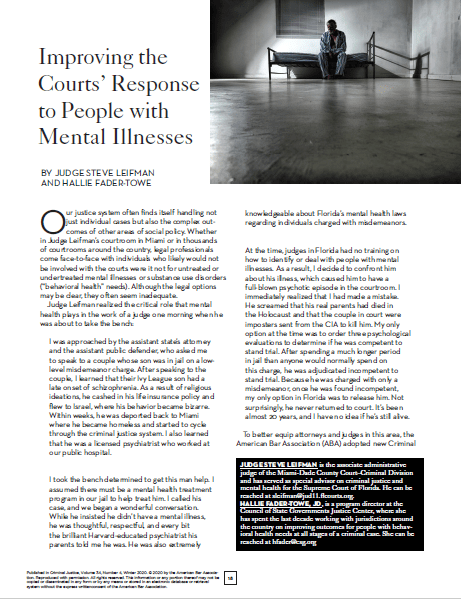
From Criminal Justice, a publication of the American Bar Association, this article explores how judges and lawyers can better serve people who have mental illnesses.
Judge Steve Leifman and Hallie Fader-Towe | 2020 |
Published in the Winter 2020 edition of Criminal Justice, Steve Leifman, the associate administrative judge of the Miami-Dade County Court—Criminal Division, and Hallie Fader-Towe, a program director at The Council of State Governments Justice Center, discuss how judicial and legal leaders can better respond to people in their courtrooms who have mental illnesses.
The article is in response to a growing trend: people who likely wouldn’t otherwise be involved with the courts, are finding themselves there due to untreated or undertreated mental illnesses or substance use disorders.
Judge Leifman and Fader-Towe discuss common misunderstandings about people who have mental illnesses and outline best practices judges, attorneys, and court administrators can use to work more effectively with this population.


You might also be interested in

Breaking Down Barriers: Reentry 2030 States Meet to Tackle Employment-Related Collateral Consequences
On June 26, the CSG Justice Center convened state leaders in workforce development, education, and corrections from 7…
Read More
How Embedded Data Analysts Are Transforming State Corrections Systems
While corrections agencies across the country collect vast amounts of data and make significant investments in…
Read More
A “Once in a Generation Opportunity” to Improve Reentry for Nearly 2 Million People
19 states were recently granted permission by CMS to reimburse critical reentry services with Medicaid funding for up…
Read More
Breaking Down Barriers: Reentry 2030 States Meet to Tackle Employment-Related Collateral Consequences
On June 26, the CSG Justice Center convened state leaders in workforce…
Read More
A “Once in a Generation Opportunity” to Improve Reentry for Nearly 2 Million People
19 states were recently granted permission by CMS to reimburse critical reentry…
Read More
 First-of-its-Kind Plan for States to Support Children and Families with Incarcerated Parents
Our plan—developed with the National Resource Center on Children & Families of…
Read More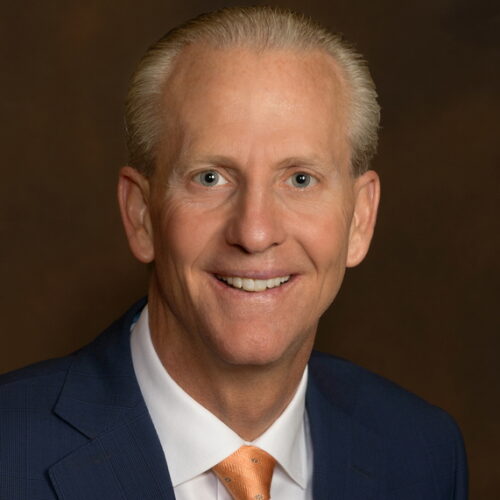 Breaking the Cycle of Homelessness and Incarceration: Q&A with New CSG Justice Center Advisory Board Member Wayne Niederhauser
The CSG Justice Center Advisory Board establishes the policy and project priorities…
Read More