








Juvenile Justice
While youth incarceration rates have dropped dramatically over the past decade, most juvenile justice systems are not operating as effectively as possible. Our team works with communities across the country to adopt and more effectively implement policies and practices shown to reduce recidivism and improve other youth outcomes.
Featured

















News & Analysis

October 1, 2026
How the CSG Justice Center is improving outcomes for youth and juvenile…
Read More
August 24, 2026
Application deadlines range from September 24–October 22, 2026.
Read More
June 19, 2026
We’re expanding our technical assistance to help more states, courts, and judges…
Read More
February 25, 2026
Application deadlines range from March 19–April 6, 2026.
Read More
November 24, 2025
Our mission hasn’t changed; it’s become more essential. The following 2025 accomplishments…
Read More
June 17, 2025
The CSG Justice Center Advisory Board establishes the policy and project priorities…
Read More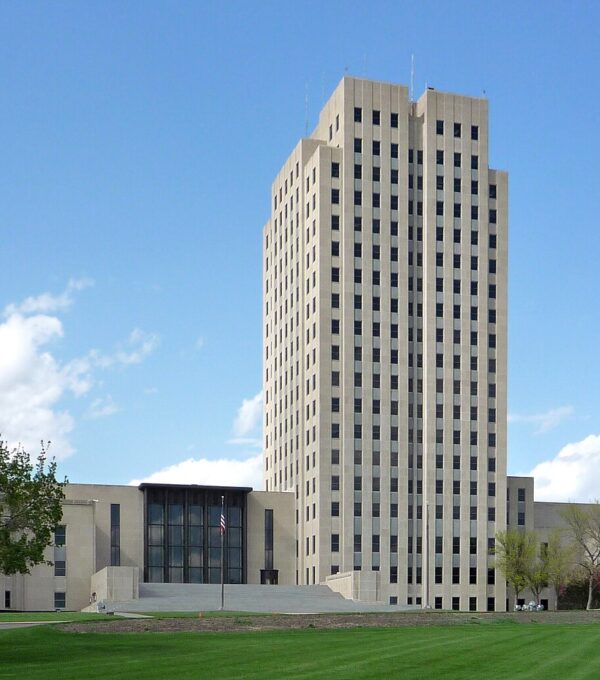
May 19, 2025
Last month, North Dakota Governor Kelly Armstrong signed a landmark bill to…
Read More
May 5, 2025
The Council of State Governments (CSG) Justice Center has launched the Collaborating…
Read MoreKey Staff

Senior Policy Director, Innovation
Josh
Weber
directs
the
CSG
Justice
Center's
juvenile
justice
program,
which
focuses
on
helping
states
use
effective
methods
to
reduce
recidivism
and
improve
outcomes
for
youth
in
contact
with
the
juvenile
justice
system.
Previously,
Josh
spent
10
years
working
on
...
building
the
capacity
of
programs
and
systems
that
serve
vulnerable
youth
in
the
juvenile
justice,
youth
development,
workforce
development,
and
child
welfare
systems.
Josh
managed
research
programs
for
the
Youth
Development
and
Research
Fund
in
Maryland
and
the
Chapin
Hall
at
the
University
of
Chicago.
In
addition,
Josh
led
the
development
and
implementation
of
NYC
Administration
for
Children’s
Services'
alternative
to
placement
and
reentry
program
for
juveniles
using
evidence-based
practices.
He
also
directed
the
District
of
Columbia’s
Justice
Grants
Administration,
which
managed
all
federal
juvenile
and
criminal
justice
grants
for
the
District.
Josh
received
his
BA
in
psychology
from
Duke
University
and
his
MPA
from
Princeton
University.
Read More
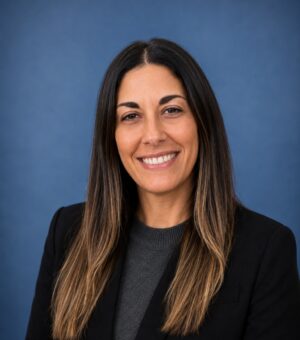
Strategy Director
Nina
Salomon
leads
efforts
to
help
state
and
local
leaders
build
coordinated
reentry
systems
that
improve
outcomes
for
youth
and
adults
returning
from
incarceration,
strengthen
communities,
and
reduce
recidivism.
She
ensures
alignment
with
strategy
goals
and
identifies
opportunities
to
expand
...
organizational
impact.
Nina
has
led
state
engagement
efforts
across
juvenile
justice
and
reentry
projects,
leading
to
legislation
and
Reentry
2030
launches
in
multiple
states.
Previously,
she
was
a
policy
advisor
at
a
national
policy
and
legal
consulting
firm,
and
an
investment
associate
at
The
Chicago
Public
Education
Fund.
She
also
held
policy
and
research
roles
at
national
youth
development
and
education
organizations.
Nina
earned
a
BA
in
political
science
from
The
George
Washington
University
and
an
MSEd
in
education
policy
from
the
University
of
Pennsylvania.
Read More
You might also be interested in
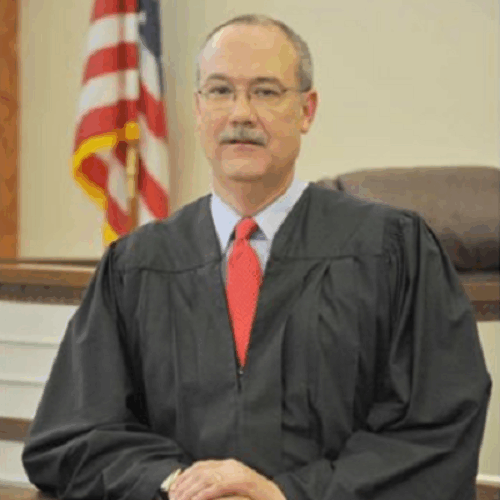
2025 Nominations Now Open for Judges and Psychiatrists Improving Lives and Behavioral Health
The Judge Stephen S. Goss Memorial Award for Leadership has expanded to include Lifetime Achievement Awards and, in…
Read More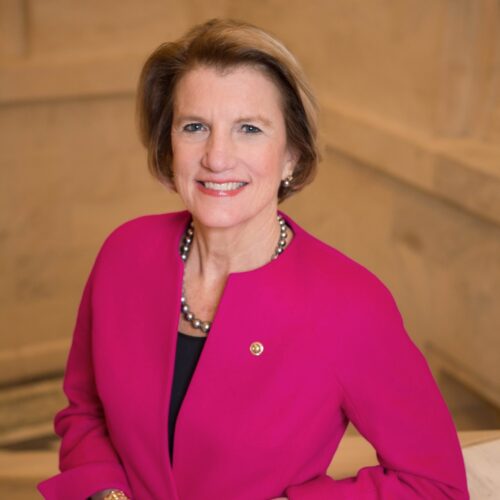
Senate Passes Second Chance Reauthorization Act of 2025
On October 9, 2025, the Senate passed the Second Chance Reauthorization Act of 2025 (S. 1843), which would…
Read More
CSG Justice Center Launches First-of-Its-Kind Statewide Crisis Intervention Teams (CIT) Technical Assistance Center
The CSG Justice Center has partnered with the Pennsylvania Commission on Crime and Delinquency and CIT International to…
Read More
2025 Nominations Now Open for Judges and Psychiatrists Improving Lives and Behavioral Health
The Judge Stephen S. Goss Memorial Award for Leadership has expanded to…
Read More
Senate Passes Second Chance Reauthorization Act of 2025
On October 9, 2025, the Senate passed the Second Chance Reauthorization Act…
Read More
CSG Justice Center Launches First-of-Its-Kind Statewide Crisis Intervention Teams (CIT) Technical Assistance Center
The CSG Justice Center has partnered with the Pennsylvania Commission on Crime…
Read More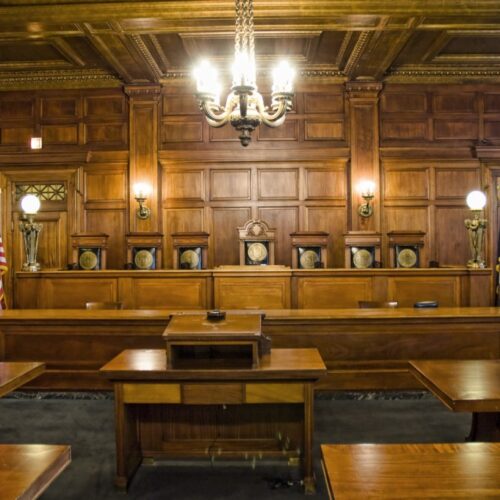 How Kentucky’s “Seth’s Law” Reduces Barriers to Care for Competency to Stand Trial and Guardianship
Read More
How Kentucky’s “Seth’s Law” Reduces Barriers to Care for Competency to Stand Trial and Guardianship
Read More
 2025 in Review: Justice Data and Solutions for State and Local Leaders Amid Federal Change
Our mission hasn’t changed; it’s become more essential. The following 2025 accomplishments…
Read More 25 Reentry Wins in 2025: How States Are Removing Barriers to Reentry Success
From new laws and reentry councils to increased funding and lowered barriers,…
Read More