






Mental Health Courts
From only four in 1997, the number of mental health courts in the United States has grown to over 300 today, with programs in nearly every state. Judges, county, and state leaders along with advocates continue to call for the establishment and expansion of mental health courts in their jurisdictions to answer the steady demand for information on designing, implementing, and revising mental health courts for desired public safety and public health outcomes.
The CSG Justice Center has been at the forefront of efforts to ensure quality in mental health courts nationwide. The CSG Justice Center began to provide training and technical assistance (TTA) in 2002 to over 100 mental health courts around the county. It continues to provide TTA to the U.S. Department of Justice, Bureau of Justice Assistance’s (BJA) Mental Health Courts Program and BJA’s Justice and Mental Health Collaboration Program (JMHCP), which remains the single best opportunity for funding mental health court start-ups. In serving these functions, the CSG Justice Center identified and supports five mental health court learning sites across the country and continues to serve as a primary point of contact for communities interested in establishing a mental health court.
Finally, the CSG Justice Center has authored a number of publications on mental health courts that continue to serve as key resources for programs across the country, including Improving Responses to People with Mental Illnesses: The Essential Elements of a Mental Health Court, Mental Health Courts: A Guide to Research-Informed Policy and Practice, Mental Health Courts: A Primer for Policymakers and Practitioners, A Guide to Collecting Mental Health Court Outcome Data, and many others. In 2013, the CSG Justice Center released Developing a Mental Health Court: An Interdisciplinary Curriculum, a dynamic and comprehensive BJA-supported online curriculum for mental health court programs.
The deadline to nominate someone for their recent work or lifetime achievements…
Read More
We’re expanding our technical assistance to help more states, courts, and judges…
Read More
Applications are due Friday, July 31, 2026.
Read More
In this Q&A, the author of NAMI's new guide says, "Families of…
Read More
Congressional leaders are urging appropriations for the Justice and Mental Health Collaboration…
Read More
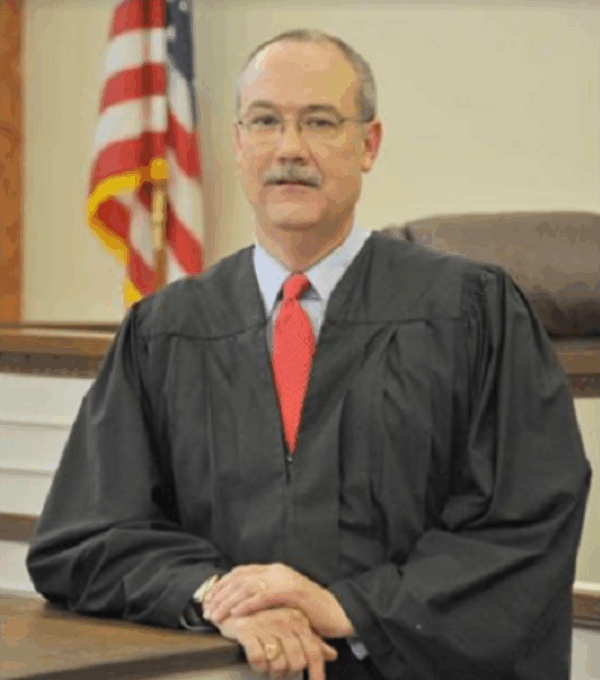
The Judge Stephen S. Goss Memorial Award for Leadership has expanded to…
Read More
New Mexico launched a pilot program in 2024 to divert people with…
Read MoreKey Staff