








Economic Mobility

Corrections agencies are grappling with a unique combination of public safety challenges, including stubborn rates of recidivism and…
Resources











As states struggle with labor shortages, the Fair Chance Licensing Project provides…
Read More
Oregon state leaders launched a new initiative in late August to improve…
Read More
COVID-19 has left state and federal policymakers with painfully long to-do lists.…
Read More
A first-of-its-kind analysis from the CSG Justice Center examines education- and employment-related…
Read More
A new report from the CSG Justice Center highlights the nearly 30,000…
Read More
State and local justice systems faced unprecedented challenges in 2020. We look…
Read More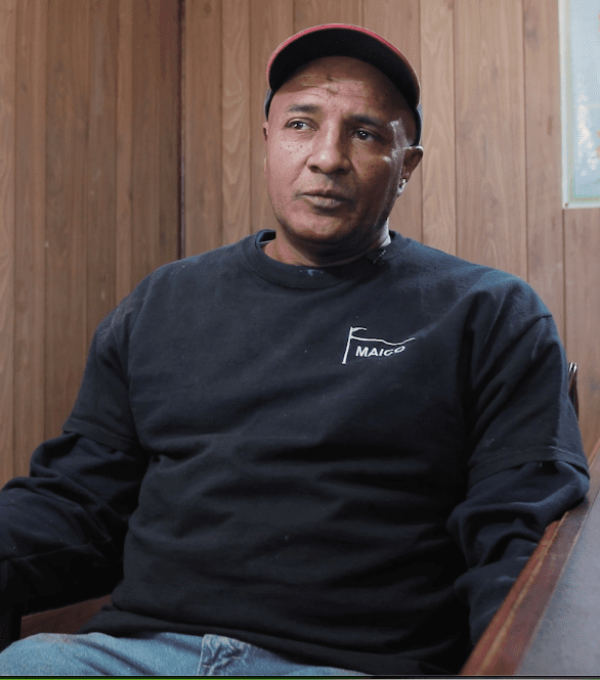
Few receive training in Kansas prisons. Thaddeus Watts is one of the…
Read More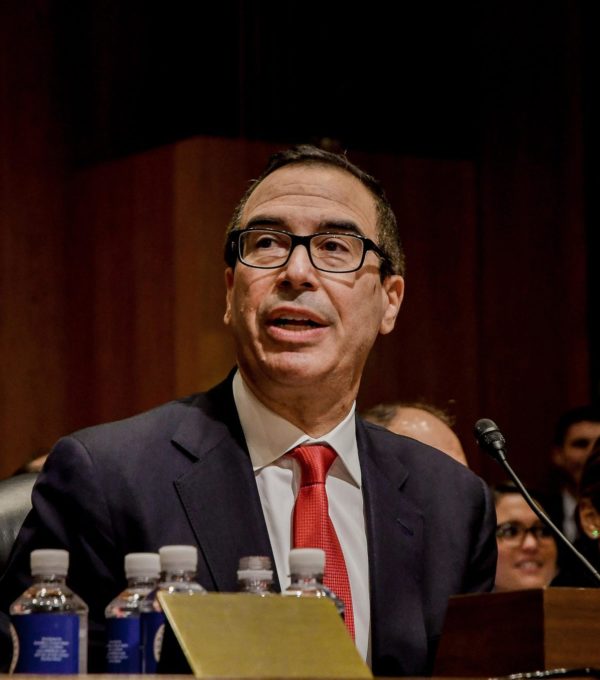
Federal officials on Friday agreed to ease restrictions that blocked some people…
Read MoreKey Staff

Our plan—developed with the National Resource Center on Children & Families of the Incarcerated at Rutgers University-Camden and…
Read More
The CSG Justice Center Advisory Board establishes the policy and project priorities of the organization. The board features…
Read More
"AOT is a complex community intervention that can be effective or not depending on how it is implemented.…
Read More
First-of-its-Kind Plan for States to Support Children and Families with Incarcerated Parents
Our plan—developed with the National Resource Center on Children & Families of…
Read More
Breaking the Cycle of Homelessness and Incarceration: Q&A with New CSG Justice Center Advisory Board Member Wayne Niederhauser
The CSG Justice Center Advisory Board establishes the policy and project priorities…
Read More
Involuntary Treatment for Patients in the Justice System: Q&A with Dr. Marvin Swartz
"AOT is a complex community intervention that can be effective or not…
Read More Reentry 2030 States Explore Day 1 Employment Readiness After Incarceration
8 states gathered to discuss workforce solutions for formerly incarcerated people.
Read More Local Criminal Justice System Innovations in Mental Health Services: Q&A with CSG Justice Center Advisory Board Member Dr. Doreen Williams
"It is the humane, person-centered approach that supports and stabilizes individuals, their…
Read More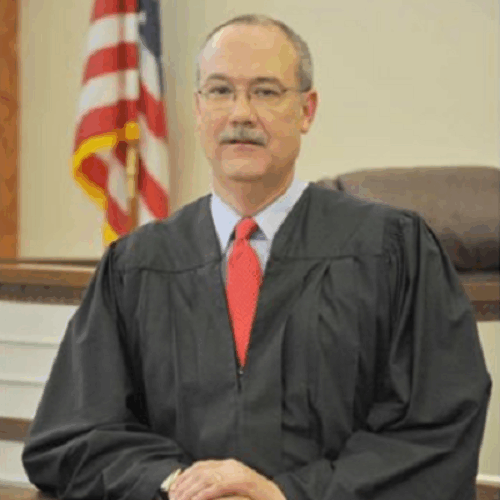 2025 Nominations Now Open for Judges and Psychiatrists Improving Lives and Behavioral Health
The Judge Stephen S. Goss Memorial Award for Leadership has expanded to…
Read More